

Designing a peaceful outdoor space can convert your home into a retreat, offering a perfect escape from the hustle and bustle of daily life. With the suitable landscape design, you can develop an ambiance that promotes relaxation, supports outdoor living, and improves the overall look of your property. Whether you have a sprawling backyard or a quaint front yard, there are numerous strategies and ideas that can elevate your outdoor space into a calm retreat.
In this article, we will discuss a selection of landscape design ideas that cater to different needs and styles. From incorporating hardscaping elements to selecting the most suitable plants, we will guide you through the most impactful ways to transform your outdoor area. Whether you are a skilled gardener or a novice looking to make a subtle yet impactful impact, we aim to inspire you with creative solutions for designing landscapes that align with your vision of tranquility.
Premier Garden Styling Ideas
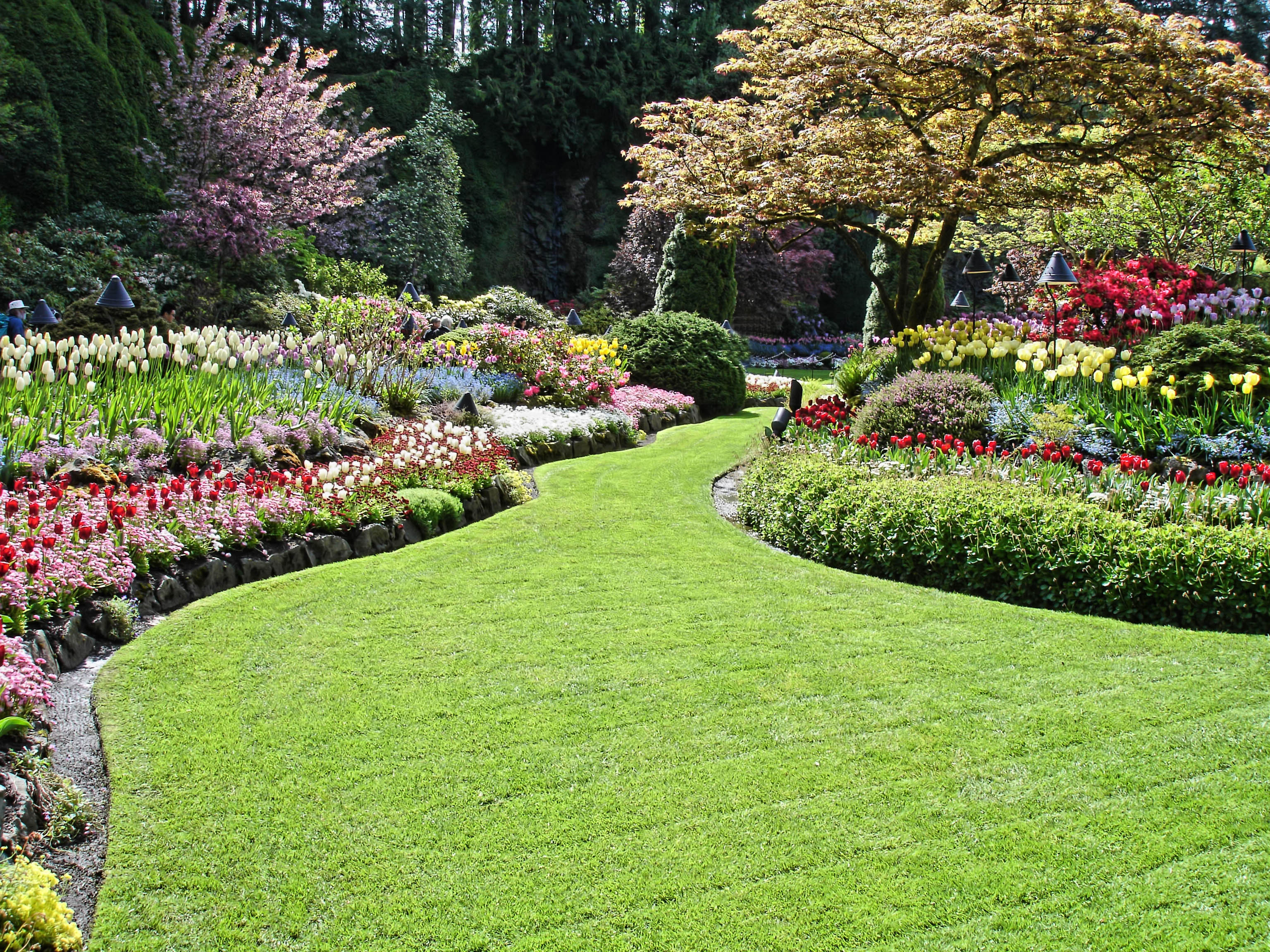
Creating a stunning backyard begins with incorporating elements that combine aesthetics and functionality. One of the top garden styling ideas is to define separate sections within your yard. By utilizing flora, hard landscape features, and outdoor structures, you can develop spaces for relaxation, eating, and entertainment, making sure each part of your garden has a function while enhancing its overall aesthetic. For example, a welcoming sitting area surrounded by bright flowers can provide a tranquil retreat.
Another engaging concept is to incorporate water elements into your design. Ponds, or even a small pond can introduce soothing noises and a feeling of calm, turning your backyard into a serene sanctuary. These elements not only improve the visual appeal of your space but also draw in beneficial wildlife, such as birds and pollinators, adding life and energy to your yard.
Lastly, think about incorporating native plants in your design. These species are naturally suited to the local climate and earth conditions, requiring less maintenance and irrigation. By selecting local varieties, you can create a lovely and sustainable landscape that thrives naturally. Additionally, the use of native plants helps local habitats, making your design not only beautiful but also environmentally friendly.
Essential Landscape Design Tips
As you embark on landscape design, it's crucial to begin with a detailed strategy. Examine your land, taking note of current characteristics, sunlight patterns, and drainage issues. This assessment will influence your design choices and help you figure out how to improve your yard effectively. Furthermore, consider your habits: do you want a zone for hosting, planting, or play? Identifying your requirements will assist in selecting the appropriate elements for your design.
Incorporating the appropriate types of plants can enhance the aesthetic and functionality of your garden. Investigate vegetation that thrive in your specific environment and soil conditions. Indigenous flora are frequently a great choice as they are tailored to the surrounding ecosystem and demand less attention. Additionally, consider where to place plants for aesthetic appeal—arranging plants by size and hue can create a vibrant and welcoming atmosphere. Remember that the seasons can contribute to the beauty of your land, so including a mix of perennials and annuals will ensure four-season appeal.
An additional important factor is integrating hardscape elements, such as patios, sidewalks, and retaining walls, into your landscape. These components not only create structure but also enhance functionality. When deciding on hardscape options, seek a design that fits with your home’s architecture and the general landscaping look. Moreover, consider incorporating lighting to illuminate your landscape at night and create a cozy ambiance. Thoughtful lighting design can enhance your time spent outside, making your environment feel inviting and tranquil.
Innovations in Outdoor Spaces
Landscape design developments are continually changing, showcasing a growing awareness of eco-friendliness and ecological impact. One notable trend is the increasing utilization of native plants in landscape design. These plants are suited to the native environment and habitat, requiring less irrigation and care while providing essential habitats for animals. Utilizing native plants is not just advantageous for the environment but also improves the landscape's natural aesthetic appeal.
Another noteworthy trend is the emergence of edible landscapes, which focus on the combination of decorative and useful plants. Homeowners are more and more looking to design gardens that not only improve their outdoor spaces but also provide fresh fruits, vegetables, and herbs. Edible landscapes allow for imaginative designs that support sustainability and wellness-focused living, transforming backyards into productive spaces that nourish families while elevating curb appeal.
Lastly, technology continues to play a vital role in transforming landscape design. From advanced get more info and tools that help homeowners imagine their projects to the use of smart irrigation systems that optimize water efficiency, technology is making landscaping more accessible and efficient. The addition of lighting solutions that enhance outdoor aesthetics after dark also adds to developing appealing and adaptable outdoor environments that can be enjoyed year-round.