

While homeowners seek efficient and sustainable ways to control their interior climate, heat pumps have emerged a favored option for both heating and cooling. This advanced technology utilizes the concepts of thermodynamics to provide climate control year-round, typically with greater energy efficiency than traditional HVAC systems. In a society increasingly focused on minimizing carbon footprints and embracing renewable energy sources, understanding heat pumps has never been more crucial.
In this guide, we will explore everything homeowners need to understand about heat pumps, including installation tips and maintenance advice to the environmental benefits they bring. If you're thinking about a heat pump for a new build or as a retrofit for your current home, we'll cover essential topics like cost comparisons, performance in various climates, and how to maximize savings on energy bills. Join us as we explore the reasons heat pumps might just be the next generation of home heating and cooling.
Grasping Heat Pumps
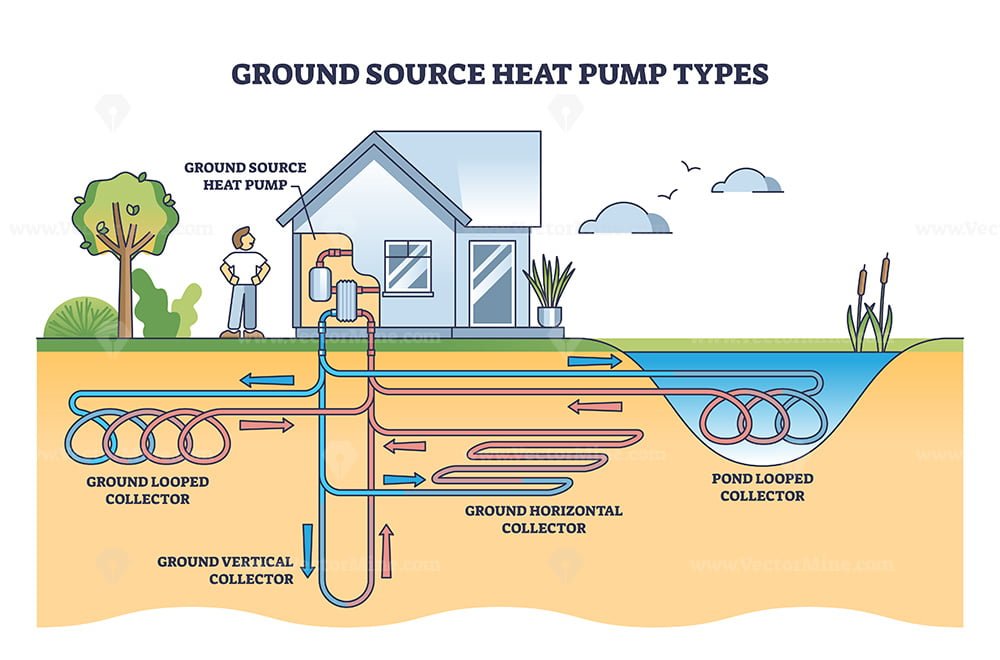
These systems are modern systems that transfer heat rather than producing it from a source of fuel. They function by transporting heat from one place to another, using refrigerants and a process of compression and expansion. In the winter, heat pumps remove heat from the external atmosphere or ground and move it inside, while in the summer, they flip the process to deliver cooling by relocating heat from the indoors to the exterior. This effective method allows homes to keep comfortable temperatures throughout the year.
The efficiency of heat pumps is measured by their coefficient of performance (COP) and SEER. As opposed to traditional HVAC systems that rely on combustion processes, heat pumps can achieve performance levels of three to four times higher, meaning they produce more heat energy than the electrical energy they require. This translates to lower energy expenses and reduced carbon emissions, making heat pumps an appealing option for eco-friendly homeowners.
As homeowners contemplate switching to heat pumps, it's important to grasp that these systems are very versatile. Whether opting for air source, ground source, or dual-fuel systems, there are models suited for varying weather conditions and home sizes. Additionally, heat pumps can work well in cold climates, with improvements in technology enabling them to operate effectively even in lower temperatures. This flexibility makes heat pumps a versatile choice for both new constructions and upgrading existing homes.
Benefits and Costs of Heat Pumps
Heat pumps offer numerous benefits that make them an desirable choice for contemporary homeowners. One of the key advantages is their energy efficiency. Heating pumps use electricity to move heat rather than produce it, allowing them to provide up to 3x more heating or cool energy than they consume. This can lead to significant savings on energy bills over time. Additionally, heating https://airsourceheatpumpsyorkshire.com/ contribute to a reduced environmental impact, making them an environmentally friendly option for those seeking sustainable house heating and cooling options.
However, the upfront installation costs of heating pumps can be more elevated compared to conventional HVAC systems. Homeowners should anticipate to pay for the unit itself, which varies based on size and model, as well as installation fees for setup. While these upfront expenses may discourage some, it is essential to take into account the eventual savings on energy bills and possible rebates and tax credits available in the U.S. These monetary benefits can help offset costs and make heating pumps a more cost-effective option.
Ultimately, when determining whether to invest in a heat pump, it's vital to assess both the benefits and costs. While they may necessitate a larger initial expenditure, the combination of energy efficiency, reduced environmental impact, and potential for lower utility bills can make heating pumps an attractive investment for property owners wanting to upgrade their heating systems. Detailed calculations of ROI, paired with an understanding of available benefits, can provide a clearer picture of the financial advantages of switching to a heat pump.
Implementation and Care Guidelines
As installing a heat pump, it's crucial to pick a dependable technician who has experience and credentials. A comprehensive analysis of your home's dimensions and thermal resistance will determine the right size and type of heating system needed for effectiveness. Make sure the professional adheres to regional construction regulations and follows recommended techniques for placement and ductwork, as this can significantly affect functionality.
Routine maintenance is key to increasing the duration of your pump. This entails biannual reviews by a skilled technician who can inspect the system for wear and tear, clean evaporator coils, and check coolant levels. Residents should also consistently replace or service filters to keep the unit operating smoothly. Keeping the outdoor device free of obstacles and ensuring proper airflow will also enhance performance.
Tracking your heat pump's function is crucial for catching potential problems early. Look for strange auditory signs, changes in energy bills, or variations in warm air and cooling capacity. If you detect any indications that your heat extractor is not performing well, consult your specialist immediately. Being proactive with maintenance and resolving issues quickly can result in enhanced well-being and considerable savings on utility expenses.