

AI intelligent systems has developed beyond mere rules and information processing. At the forefront of this transformation are AI systems, sophisticated agents able of adapting, modifying, and streamlining various tasks across sectors. For those not acquainted with the idea, AI agents function as self-operating systems that can assess their environments, make choices in the moment, and even interact with people. Knowledge AI Agents aims to demystify AI agents and investigate their impact on modern business operations, customer experiences, and beyond.
As we dive into the secret life of AI agents, we will uncover how they are transforming the landscape of various industries. From enhancing client support to refining marketing efforts, these smart agents have become indispensable tools for organizations looking to boost efficiency and promote growth. Join us as we examine the differences between AI agents and their more elementary counterparts, such as automated responders, and discover the numerous ways organizations are leveraging AI agents to streamline workflows, boost productivity, and ultimately elevate the overall customer pathway.
Understanding AI Automated Systems
AI automated systems are software programs designed to perform tasks autonomously by growing from their surroundings and interactions. They can analyze data, respond to user inputs, and make decisions based on established parameters or acquired patterns. Unlike traditional computer programs that follow a rigid set of rules, AI agents evolve and improve their abilities over time through algorithmic learning techniques, making them increasingly efficient at completing their assigned tasks.
The fundamental functionality of AI agents involves awareness, reasoning, and action. They detect their environment through input signals, which can include a wide range from user engagements to environmental data. This sensing is followed by a cognitive step, where the agent assesses its options and chooses on the best course of response. By performing their actions, they complete tasks, such as automating workflows, engaging customers, or analyzing data, thus revealing new levels of productivity for companies.
AI agents are distinct from less complex AI applications, such as virtual assistants, due to their ability to work on their own and manage multiple tasks without direct human guidance. This autonomous aspect allows them to process complex operations and cooperate with other agents, creating a synergistic effect that boosts overall efficiency. As AI technology moves to advance, grasping how these agents operate becomes important for businesses seeking to harness their potential for advancement and creativity.
AI Bots in Business
AI agents are progressively becoming integral to contemporary corporate activities, providing efficiency and enhancement across many departments. From consumer help to advertising, these intelligent systems leverage machine learning and big data to perform tasks that conventionally required individual intervention. By automating mundane processes, AI agents allow companies to focus on strategic objectives, ultimately driving expansion and enhancing productivity.
One of the major advantages of using artificial intelligence systems in businesses is their ability to process vast amounts of information quickly and accurately. This capability not only boosts decision-making but also allows for customized customer experiences. For instance, intelligent bots can categorize customer data to provide targeted promotions, improving interaction and output. As companies continue to adopt these technologies, they are finding new ways to streamline operations and respond more effectively to market demands.
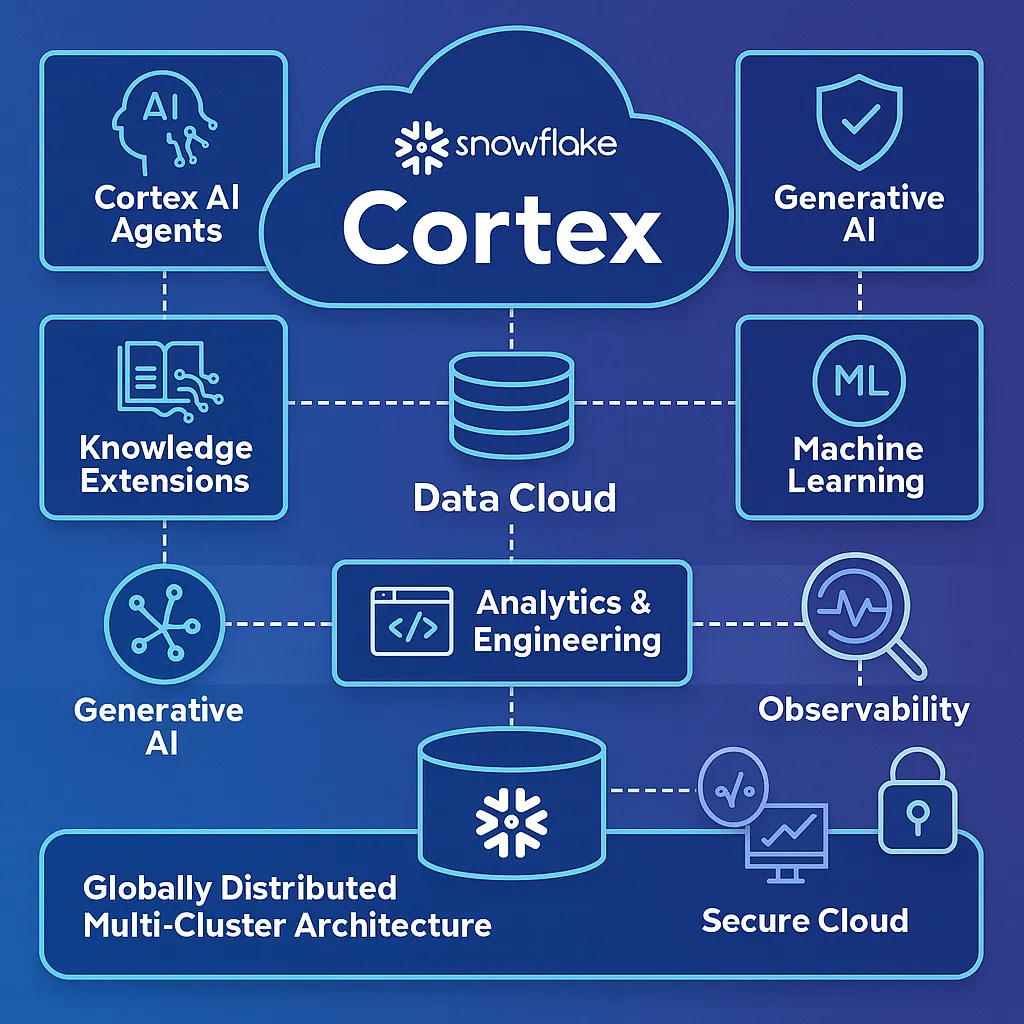
Furthermore, AI agents support collaborative efforts within groups by coordinating projects and facilitating interaction. With advanced features such as process automation and real-time data analysis, cognitive tools can enhance synergy and project results. As companies seek to refine their procedures and improve customer satisfaction, the role of AI agents in commerce will only increase, becoming critical tools for success in an progressively challenging landscape.
Building and Selecting AI Agents
When developing an AI agent, it is important to start with a clear grasp of the specific tasks you want the agent to carry out. The design process should begin by defining the agent’s role and the problems it has to address. Regardless of whether it’s for streamlining customer service, managing workflows, or improving marketing strategies, clear understanding in mission will drive the complete development process. Choosing the appropriate technology stack and ensuring that the agent can interface seamlessly with your existing systems is equally key.
Choosing of an AI agent platform requires careful consideration of features that align with your organizational requirements. Seek out platforms that offer intuitive design tools, powerful machine learning capabilities, and flexible integration options. It is essential to evaluate how well the platform supports data security and compliance with legal requirements. Moreover, scalability should be a key factor, allowing your AI agent to develop and adjust as your business changes.
Following building or selecting an AI agent, continuous monitoring and optimization are necessary for sustained success. Regularly evaluate the agent's performance against key performance indicators, and be prepared to make changes based on user feedback and changing business requirements. This iterative approach guarantees that your AI agents continue to be effective and provide value, ultimately boosting efficiency and productivity across the enterprise.