

Within the constantly changing environment of architecture, the significance of solid foundations cannot be overstated. Foundation services serve a vital role in providing the support required for a broad spectrum of structures, from home buildings to massive infrastructure projects. As construction methods advance and soil conditions change, understanding the nuances of piling becomes essential for professionals in the industry. This manual aims to clarify piling services and investigate their role, ensuring that construction companies and investors alike can make knowledgeable decisions for their forthcoming projects.
Whether you are starting on a business development or a home foundation, recognizing the indicators that show the need for piling is imperative. From difficult soil conditions to the demands of tall construction, the right piling solution can significantly enhance the stability and duration of a structure. By exploring into the multiple types of piling and their particular applications, along with essential factors like soil analysis and construction protection, we will provide you with the knowledge required to traverse the world of piling services with certainty.
Grasping Piling Services and Those Importance
Piling services represent critical components of the construction industry which include installing involving deep foundation components, referred to as piling. Such components carry the weight from a building or construction projects down to solid soil and rock formations, making sure of integrity plus sustainability for structures. In the absence of adequate piling solutions, construction can encounter problems such as settlement, deterioration, along with the risk of collapse, making it essential to understand their role when it comes to establishing secure and durable base structures.
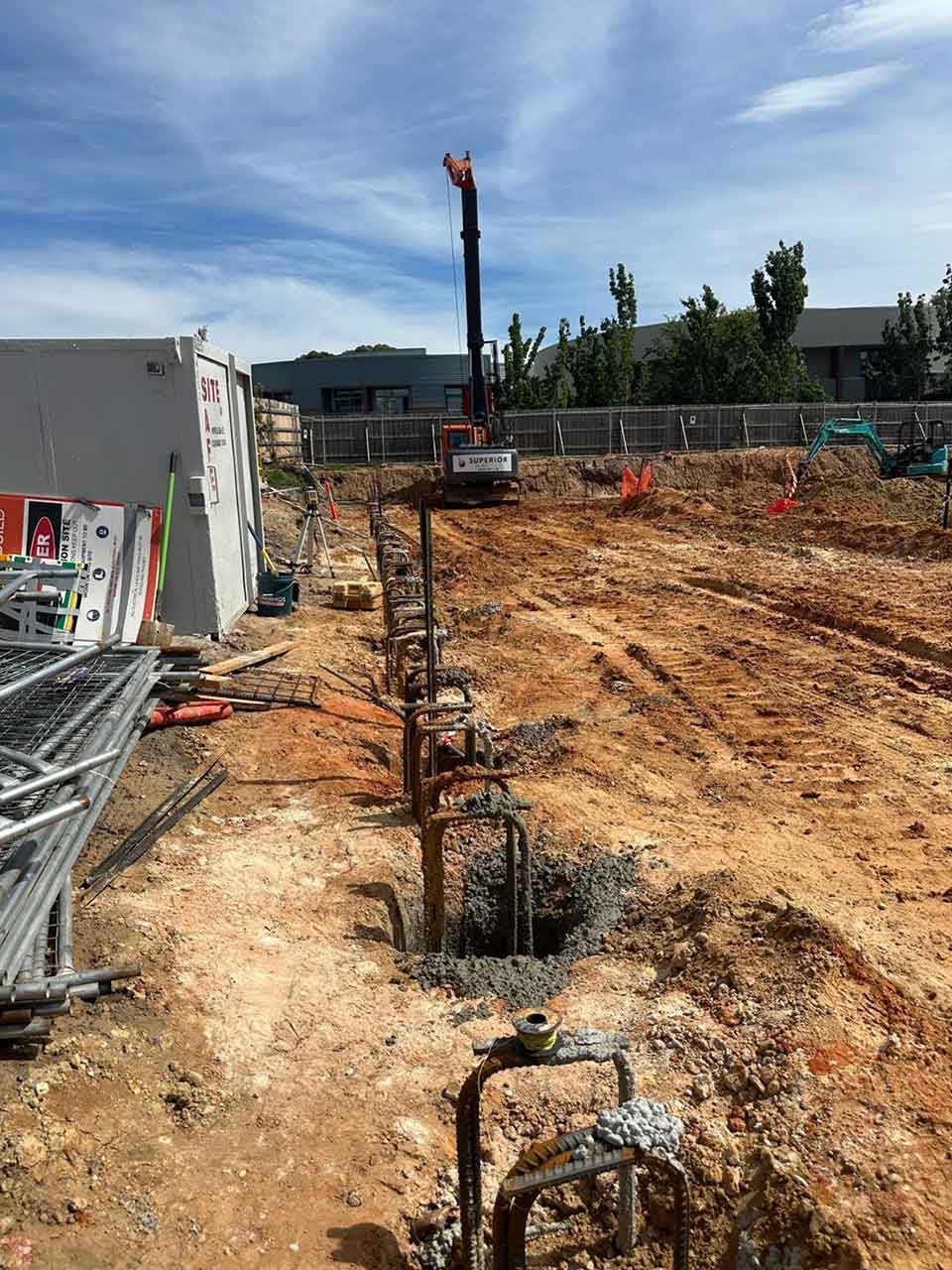
Piling serves a critical role across diverse building projects, ranging from residences as well as large-scale business facilities along with public works. In regions that have complex soil conditions or poor soil, piling is increasingly essential, providing required strength necessary to bear significant loads as well as diverse site conditions. The capability to customize piling solutions to meet specific project needs demonstrates the importance of comprehensive site assessments with specialized evaluations in ensuring efficient construction outcomes.
Thanks to progress of techniques as well as construction materials, the range of piling solutions has broadened, equipping builders the resources to tackle diverse challenges. Understanding https://broe-santos.technetbloggers.de/deep-dive-into-piling-solutions-determining-the-right-approach of piling techniques, ranging from design considerations as well as application plans, is crucial for civil engineers, construction managers, as well as construction supervisors. Using professional piling solutions, investors can ensure that their structures not only comply with safety standards as well as demonstrate durability against geological plus anthropogenic stresses.
Types of Foundation Solutions and Their Applications
Foundation techniques come in multiple types, each designed to cater to specific soil conditions and project needs. One of the most common types is driven piles, that are manufactured and driven into the ground using a pile driver. These piles are best for projects with firm, stable soil because they provide immediate load-bearing capacity. Driven piles are frequently used in business and industrial applications, such as bridges, piers, and high-rise buildings, ensuring that structures are securely anchored.
On the other hand, bored piles are created by boring holes into the ground and then filling them with concrete, making them suitable for areas where noise and vibrations must be minimized. This method is often favored for residential foundation projects or in urban settings where space is limited. Bored piles can accommodate a variety of soil conditions and are particularly efficient in loose or unstable soils, making them versatile for diverse construction situations.
Micropiles are another innovative solution, especially useful for difficult ground conditions and when there is a need for minimal disturbance. These small-diameter piles can be installed in restricted access areas and are perfect for underpinning existing structures. They provide exceptional load-bearing capacity and are often used in seismic zones, ensuring security for both new constructions and renovations. The selection among these piling techniques relies on a thorough assessment of site conditions and particular project needs, ensuring optimal foundation performance.
Pile Instatement Process and Best Practices
The piling instatement procedure begins with comprehensive site preparation, which includes site evaluation and ground analysis. This phase is essential for establishing soil characteristics and identifying any possible barriers that may impact piling. By understanding the soil composition and characteristics, engineers and contractors can select the suitable type of pile solution for the undertaking. Proper site readiness also includes clearing debris, building access roads, and ensuring that all safety precautions are in effect.
Next, the actual installation of the piles takes place, which can differ based on the kind of pile being used, such as driven piles or bored foundations. Driven piles are usually driven by being hammered into the ground using specialized equipment, while bored piles are made by drilling holes into the ground and then filling them with concrete. It is crucial to follow best practices during the instatement process, such as ensuring alignment, monitoring for any soil movement, and making certain that all installations comply with design specifications and regulatory requirements. Adequate supervision and quality control measures are vital to prevent common piling issues from arising.
Finally, after installation, a validation procedure should be conducted to ensure that the foundations are placed properly and have achieved the required load-bearing capacity. This may involve load testing and other evaluations to confirm that the base is secure and safe. Additionally, it is important to maintain a focus on health and safety measures throughout the instatement procedure, ensuring that all workers are provided with the necessary training and personal protective equipment. By adhering to these best practices, construction projects can gain from enhanced foundation stability and long-term durability.