

In the current world, the safety and effectiveness of our power systems are essential. Whether you're a homeowner, a new buyer, or a business owner, grasping the significance of electrical inspections can highlight potential hazards that may put lives at danger or lead to expensive repairs. Electrical inspections act as a crucial safety net, identifying issues that often go undetected until they escalate into significant problems.
Regular electrical inspections not just promote more secure living and working environments but also enhance the overall efficiency of your electrical systems. Examining common issues discovered during inspections, what to expect, and how often these evaluations should occur can help empower you to take preventive measures in maintaining the reliability of your power systems. Neglecting the necessity of these inspections can lead to hazardous conditions. Let's dive into the essential aspects of electrical inspections and comprehend why they are an integral part of home and business safety.
Grasping Electrical Inspections
Power assessments represent comprehensive inspections of a property's electrical infrastructure, performed by qualified professionals. The main goal of these evaluations is to ensure that electrical installations and wiring are reliable, up to code, and working properly. This method entails assessing breakers, sockets, dimmers, wiring, and additional parts to detect any potential hazards or deficiencies that could lead to electrical breakdowns or incidents.
The value of electrical assessments is crucial. They are vital in upholding safety within residential properties and businesses. Thorough evaluations help identify problems such as outdated wiring, overloaded circuits, and unsuitable installations that could cause electrical conflagrations, shocks, or loss of property. Routine assessments are particularly critical for aged properties, where systems may fail to comply with current safety codes.
In addition safety, electrical inspections play an important role to energy conservation. By recognizing problems like malfunctioning wiring or outdated devices, homeowners can make necessary upgrades that not just boost safety but also lower energy bills. Ultimately, an electrical evaluation is an essential step in protecting your asset and guaranteeing the well-being of every resident in a structure.
Common Issues and Hazards
Electrical assessments commonly uncover a number of common issues that can pose serious threats to security and property. One prevalent problem is obsolete wiring, which can lead to excessive heat and potential fires. https://electricalinspectionconditionreports.co.uk/ , particularly those built several decades ago, still use wiring that does not comply with modern safety regulations. Inspectors often discover non-grounded sockets or underpowered circuit breakers that cannot handle modern electrical loads, amplifying the likelihood of system malfunctions and hazards.
An additional typical problem identified during inspections is poorly positioned or broken electrical appliances. Unstable connections, frayed wires, and faulty outlets can greatly heighten the possibility of shock hazards or fire. Inspectors look out for these hazards and recommend immediate repairs or replacements to prevent accidents. Additionally, many properties have outdated or outdated circuit boards that may not provide overall proper power or safety features, making it vital for homeowners to address these issues promptly.
In addition, the use of unlicensed or homegrown electrical installations can lead to serious dangers. Homeowners might attempt to conduct electrical upgrades or upgrades without adequate understanding or adherence to standards, often resulting in breaches of electrical standards. This not only puts at risk the occupants but may also complicate future inspections. Addressing these common issues during an electrical inspection promotes a more secure environment and safeguards precious property investments.
Getting Ready for Your Inspection
Preparing for your electrical inspection starts with gathering relevant documentation. This consists of any past inspection reports, electrical work receipts, and warranty information for any set up electrical systems or appliances. Possessing this information on hand will assist the inspector comprehend your property's electrical history and detect potential areas of concern more efficiently.
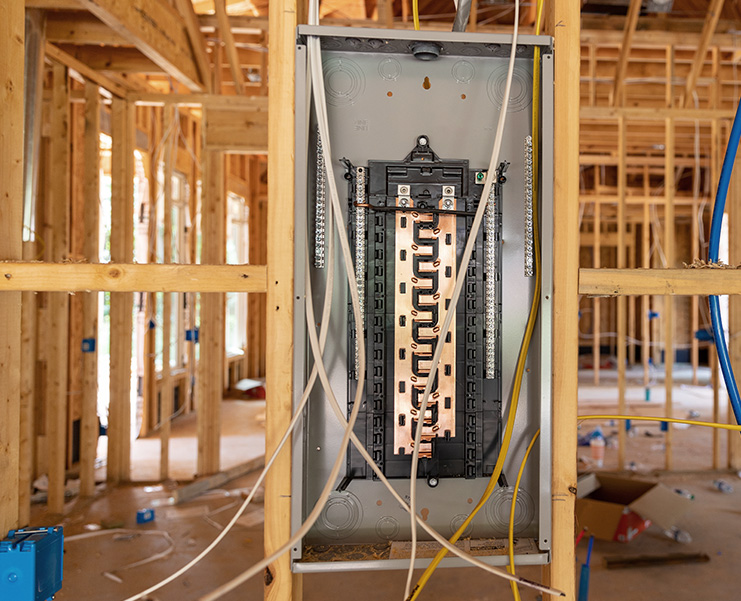
Afterwards, ensure that the areas around your electrical panels, outlets, and wiring are accessible. This means clearing any clutter from cellars, carports, or attics where electrical systems could be located. If there are any overgrown plants or structural barriers blocking outdoor wiring, take the time to trim or move them. A clear space enables the inspector to conduct a thorough examination without obstacles.
Finally, take a moment to address any known electrical issues before the inspection. If you have flickering lights, tripped breakers, or frequently blown fuses, inform these specific problems to the inspector. This will not only help them focus on key areas that need attention but will also provide you a clearer picture of your home's electrical health. Being proactive and well-prepared can significantly enhance the inspection process and lead to a more accurate assessment.