

In an age in which safety and efficiency are paramount, electrical inspections have become a vital part of upholding a secure living and working environment. Most homeowners may not ponder about their electrical systems until there's a malfunction, but periodic electrical inspections can help prevent hazards and costly repairs in the future. Understanding the details of electrical inspections can enable homeowners and business owners similarly to take preventive steps toward ensuring their properties are safe and trustworthy.
Numerous people are ignorant of the risks associated with old or faulty electrical systems. From potential fire hazards to failing inspections that can affect property sales, the importance of a comprehensive electrical check cannot be overemphasized. Whether you are a new homeowner, getting ready to sell your property, or simply wanting to guarantee your electrical systems are up to standards, scheduling an electrical inspection is a smart decision that pays off in tranquility and safety. This article will examine the main reasons to emphasize electrical inspections, highlighting their role in home safety, energy efficiency, and compliance with legal standards.
Comprehending Electromechanical Inspections
Power inspections represent a comprehensive analysis of a home's power system to confirm security, adherence with regional codes, and overall functionality. Such evaluations are conducted by certified technicians who evaluate various components, including cabling, breaker boxes, outlets, and devices. The aim is to discover potential dangers, aging systems, or code breaches that could pose threats to the occupants or the property itself. Grasping what an electrical inspection involves helps property owners appreciate its significance.
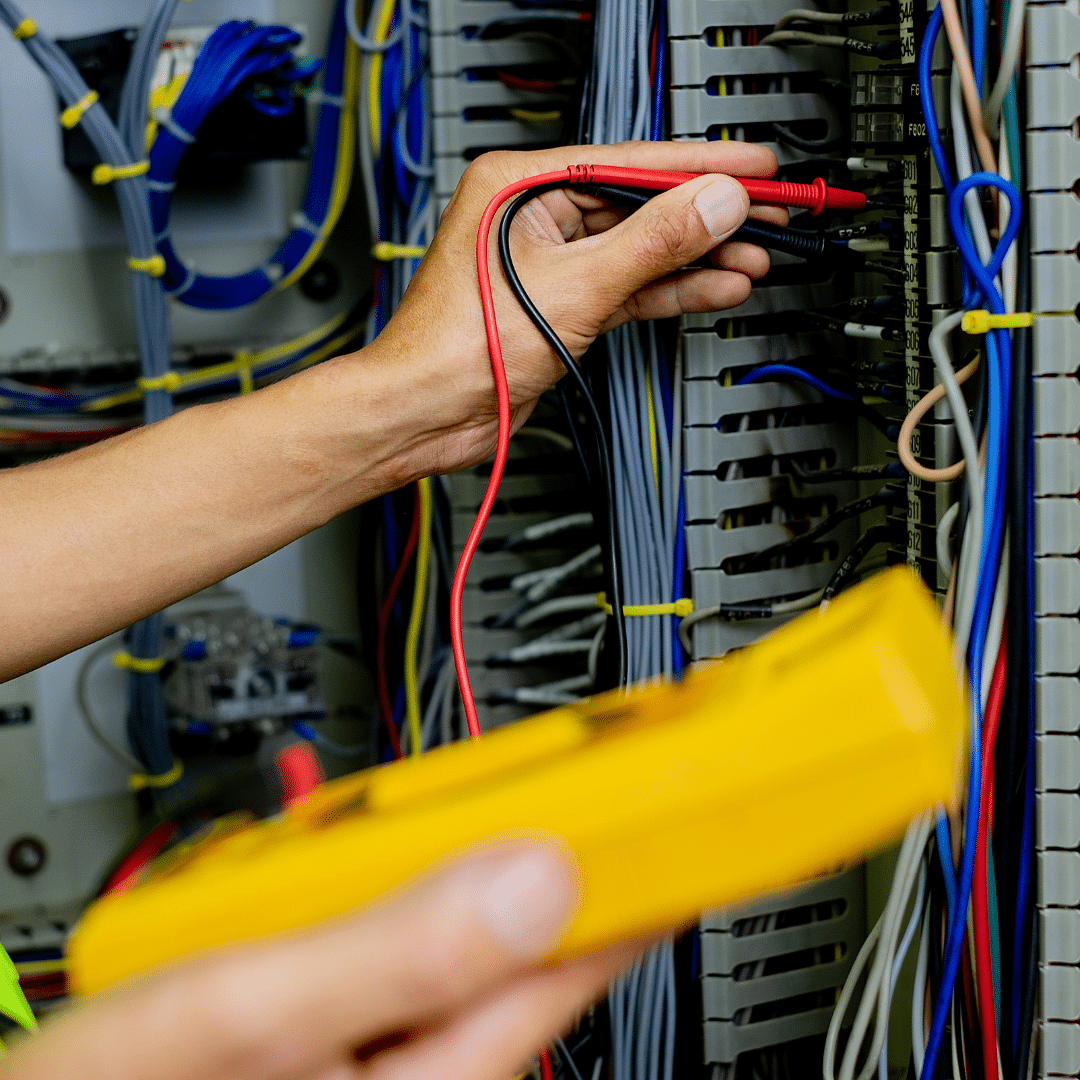
The importance of power assessments cannot be overstated. They play a crucial role in avoiding power-related hazards, ensuring that systems are not overloaded, and that security norms are satisfied. Many insurance companies also demand up-to-date inspections to continue coverage, while prospective homebuyers often request inspection reports to better comprehend the property's condition. By focusing on electrical assessments, individuals can protect their residences and properties and maintain a secure living environment.
Additionally, as power codes evolve, regular inspections help guarantee that systems stay up to date. Aging homes, in particular, may have old cabling or components that do not comply with modern security standards. Electrical assessments reveal these issues and guide property owners on required improvements or fixes. https://koreanwall85.bravejournal.net/a-startling-truth-the-reason-electrical-inspections-are-fundamental , routine assessments are essential for ensuring the safety and efficiency of electrical systems in both domestic and business properties.
Significance and Frequency of Inspections
Routine electrical assessments are essential for ensuring a safe and operational environment in residential and commercial properties. These inspections aid detect likely hazards, including defective wiring or outdated electrical systems, that could lead to significant safety risks, including fires and electrocution. By maintaining your electrical systems in check, you can shield your family, employees, and property from these dangers.
The frequency of electrical inspections often depends on multiple factors, including the age of the electrical system, any renovations, and local regulations. In general, homeowners should plan an inspection every three to five years. However, antique homes or properties with significant electrical usage may require additional checks. Additionally, following severe weather events or electrical storms, it's wise to have an inspection to ensure all systems is working properly.
Neglecting routine electrical inspections can lead to serious consequences, both in terms of safety and likely legal liabilities. When Electrician Inspection Condition Reports Fife are available for purchase, having a recently completed inspection can streamline the sale process and provide reassurance to buyers. Timely inspections not only safeguard lives but also enhance the longevity and performance of your electrical systems, making them an important aspect of property maintenance.
Preparing for an Inspection
To ensure a successful electrical inspection, homeowners should take a few preparative steps before the scheduled visit. Start by checking your electrical system and searching for any obvious issues, such as blinking lights or outlets that don't work. Make a note of any concerns you might have regarding the electrical system, as these will be helpful to talk about with the inspector. Remove the area around the electrical panel and any access points to enable the inspector to quickly perform their checks.
Communication is crucial during this time. If you have had any prior electrical work done, gather all pertinent documentation such as permits, past inspection reports, and records of renovations. Being open and transparent about any DIY projects or repairs you have made can provide valuable context for the inspector. If you lease your home, inform the landlord about the upcoming inspection to ensure access is granted to all necessary areas.
Finally, remind family members or tenants of the upcoming inspection and its purpose. Establish EICR Fife for the day of the inspection, so everyone knows to not use heavy electrical appliances during the visit. A little preparation can go a long way in facilitating a thorough inspection, leading to a safer and more efficient electrical system.