

If you have ever experienced water intrusion in your basement, you understand how crucial it is to protect this often-overlooked area of your home. Waterproofing your basement is not just a safeguard; it's a vital aspect of home maintenance that safeguards your home from deterioration and improves overall comfort. In this guide, we will explore innovative solutions and strategies that can efficiently keep your basement moisture-free and functional, guaranteeing that it remains a safe and functional space.
Starting with identifying the signs that indicate a need for immediate waterproofing to learning about the various methods available, this article will serve as a comprehensive resource for homeowners. We will delve into interior versus exterior waterproofing, cover the cost implications, and highlight the best practices to follow in maintaining a waterproof basement. If you are dealing with an older home, planning a new construction project, or aiming to boost your property's value, our insights will enable you to make knowledgeable decisions for protecting your space efficiently.
Important Basement Waterproofing Methods
One of the most efficient techniques for basement waterproofing is the installation of a drainage system. This includes outside solutions like French drains, which divert water off of the base. By properly guiding groundwater and surface water, property owners can significantly reduce the likelihood of leaks and water intrusion. It is essential to ensure that the drainage system is installed correctly, as incorrect installation can cause further problems down the line.
Another major technique is the use of waterproof coatings on the interior walls and floors of the basement. These materials create a shield that prevents moisture from penetrating through the walls and floors. Different types of sealants are on the market, ranging from brush-on coatings to more sophisticated materials that can resist elevated levels of moisture. Frequently checking and renewing these sealants can assist ensure a dry and safe basement space.
Basement sump pumps are also a vital part of many waterproofing approaches. They operate by gathering water that builds up in the basement and pumping it out to a specific drainage area external the home. Installing a sump pump can be notably beneficial in areas prone to heavy rainfall or flooding. Property owners should verify their sump pump is correctly maintained and checked regularly to guarantee effective operation when necessary.
Understanding The Waterproofing Options
When it comes to foundation waterproofing, homeowners have multiple options to choose from, each offering distinct benefits and considerations. Interior waterproofing consists of techniques that tackle leaks from inside of the basement. This can entail sealants, sump pumps, and drainage systems that manage water intrusion after it penetrates the space. Interior methods are generally more minimal and may be sufficient for minor water issues, but grasping the source of the moisture is essential.
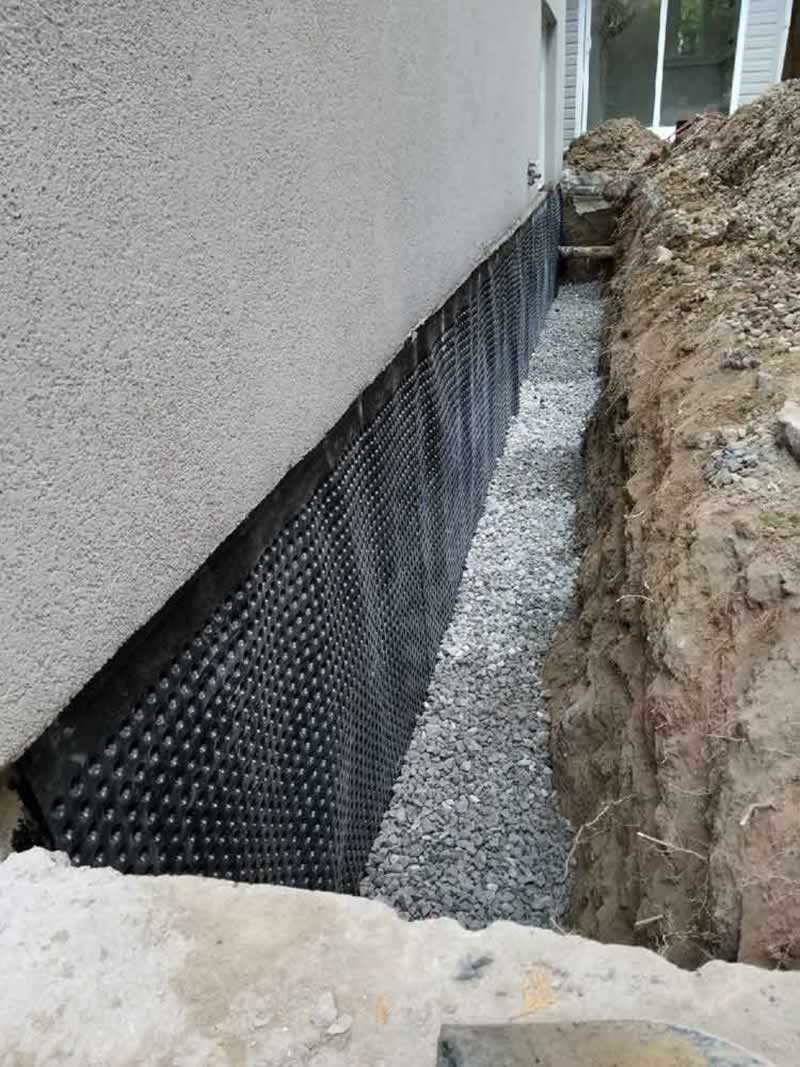
On the other hand, exterior waterproofing focuses on preventing water from entering the basement in the initial instance. This frequently includes excavation around the foundation, installing drainage systems, and applying waterproof membranes to the exterior walls. While more labor-intensive and costly, exterior solutions are generally more reliable for homes with severe water issues and offer long-term protection against structural damage.
Selecting the best option depends on different factors, including the severity of water intrusion, budget, and the age and condition of the home. Homeowners ought to examine their specific needs and may profit from consulting with professional waterproofing contractors to determine the optimal strategy for their situation.
Mitigating Upcoming Liquid Harm
To properly prevent future H2O destruction in your undercroft, routine upkeep and evaluations are crucial. Click for source should conduct seasonal checks to ensure that drainage systems, downspouts, and gutters are clear of obstructions and functioning properly. This aids to direct liquid away from the base and lowers the risk of water standing around the house. Additionally, closing any fissures in the foundation and dividers can further diminish the chance of water infiltration.
Investing in adequate diversion methods, such as tile drains or water pumps, plays a major role in stopping H2O harm. These mechanisms dynamically handle and redirect water away from at-risk areas. Sump pumps, in particular, are vital for properties in regions with high groundwater or regions prone to flooding. Consistent check-ups and care of these devices guarantee they remain functional, giving proprietors peace of mind, especially during strong rains or severe weather.
Lastly, enhancing landscaping around your house can also protect your undercroft from potential liquid damage. Forming a grading incline away from the structure assists to guide H2O away effectively. Using water-retaining landscaping materials and flora that grow in water-rich conditions can also aid to a drier and healthier undercroft. By implementing these preemptive actions, householders can substantially lower the risk of water destruction and keep a dry basement setting.