

In the world of building and architecture, the significance of precise measurements cannot be emphasized. Whether you're planning a home renovation, a loft renovation, or a business property project, having precise data about your location is essential. This is where survey measurements come into play. These surveys provide designers, contractors, and property owners with extensively detailed information about current states, allowing for knowledgeable choices and efficient project planning.
Measured surveys are not just about gathering basic measurements; they cover a comprehensive analysis that includes the dimensions of buildings, the arrangement of areas, and even intricate details that may affect the design process. In this piece, we will explore what measured surveys are, why they are vital, and how they can reveal the complete potential of your property. From understanding the differences between measured surveys and simple floor plans to delving into the advantages they offer before undertaking a renovation, this guide will equip you with the insight you need to navigate your building projects with assurance.
Understanding Calculated Surveys
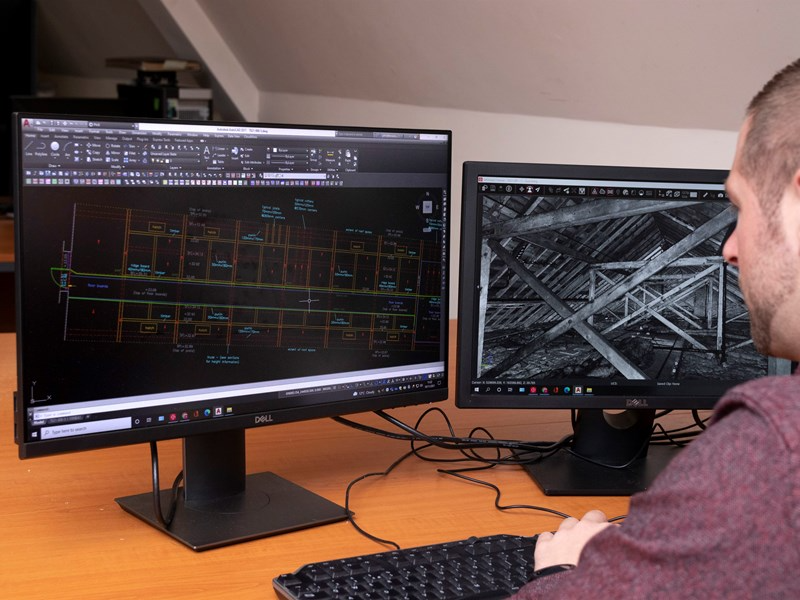
Quantified assessments are critical evaluations that record the specific measurements and characteristics of a structure or location. These surveys go further than simple drawings or floor plans, using advanced techniques to gather detailed and exact information. The information collected during a quantified survey is essential for diverse uses, including updates, extensions, and real estate development.
The process of a quantified survey typically requires the use of specific equipment, such as theodolites, laser scanners, and digital imaging, to generate elaborate and reliable representations of current structures. This information serves as a starting point for architects, specialists, and building experts to make informed decisions. By understanding the existing state of a location, investors can more effectively organize projects and prevent expensive errors.
Calculated surveys are not only necessary for recent construction but also for inspecting vintage and heritage properties. These structures often have distinct traits that require specific focus during renovation or refurbishment. By performing an accurate quantified assessment, real estate owners and professionals can guarantee that any modifications honor the integrity of the initial blueprint while adhering to current construction codes.
The Importance of Precision in Measured Surveys
Precision in measured surveys is crucial as it serves as the foundation for subsequent construction decisions. When designers, engineering professionals, and construction professionals rely on precise measurements, they can create designs that fit seamlessly within the existing context. Inaccurate data can lead to costly mistakes, which may require costly rework or adjustments that can postpone projects considerably. Therefore, achieving high accuracy in measurements is necessary to ensure that everyone involved have a concise understanding of the site conditions.
Additionally, clear and precise surveys can enhance compliance with local regulations and zoning laws. When seeking planning permissions, thorough and precise measurements can support applications more effectively. Zoning Measured Surveys Buckingham Buckinghamshire demand evidence of current conditions to evaluate proposals accurately. An precise measured survey aids to avoid potential problems, such as non-compliance with building regulations, thereby streamlining the approval process and enhancing project viability.
In addition, precision in a measured survey reduces threats associated with unforeseen issues during construction. When all the data is reliable and accurately understood, it allows builders to minimize guesswork, leading to more efficient workflows. This trust in data contributes to better budgeting and resource allocation, especially in refurbishing projects where existing conditions may be uncertain. In essence, emphasizing accuracy in measured surveys is vital for the effective execution of any construction project, facilitating seamless operations and successful outcomes.
Selecting the Best Surveyed Survey for The Undertaking
When selecting a quantified survey for the initiative, the initial action is to evaluate your specific requirements. Consider the category of building or renovation you are undertaking. For instance, domestic extensions may call for straightforward building surveys, while industrial establishments may necessitate more detailed surveys that incorporate structural evaluations and adherence with zoning regulations. The project's requirements will guide the type of survey that best suits the objectives, so take time to consider the scale and complexity of the work ahead.
It's also essential to choose a reputable analysis provider with expertise in the type of project. Search for companies that focus in the particular assessment category you require, whether it's for a old building or a recent industrial development. Ask for referrals, assess past assignments, and confirm that they use the most advanced equipment, such as 3D laser scanning, to guarantee accuracy. This selection can significantly affect the quality of the information and eventually the outcome of your initiative.
Finally, ensure that you grasp the expense and timeframe associated with the analysis. Multiple companies may present different options at different cost levels, so evaluate bids and service details to identify the best fit for your resources. Additionally, talk about the anticipated timeline for finishing the measure assessment, as this can influence your entire initiative schedule. By carefully evaluating these aspects, you can determine the appropriate surveyed analysis that fits the objectives and facilitates efficient project planning and execution.