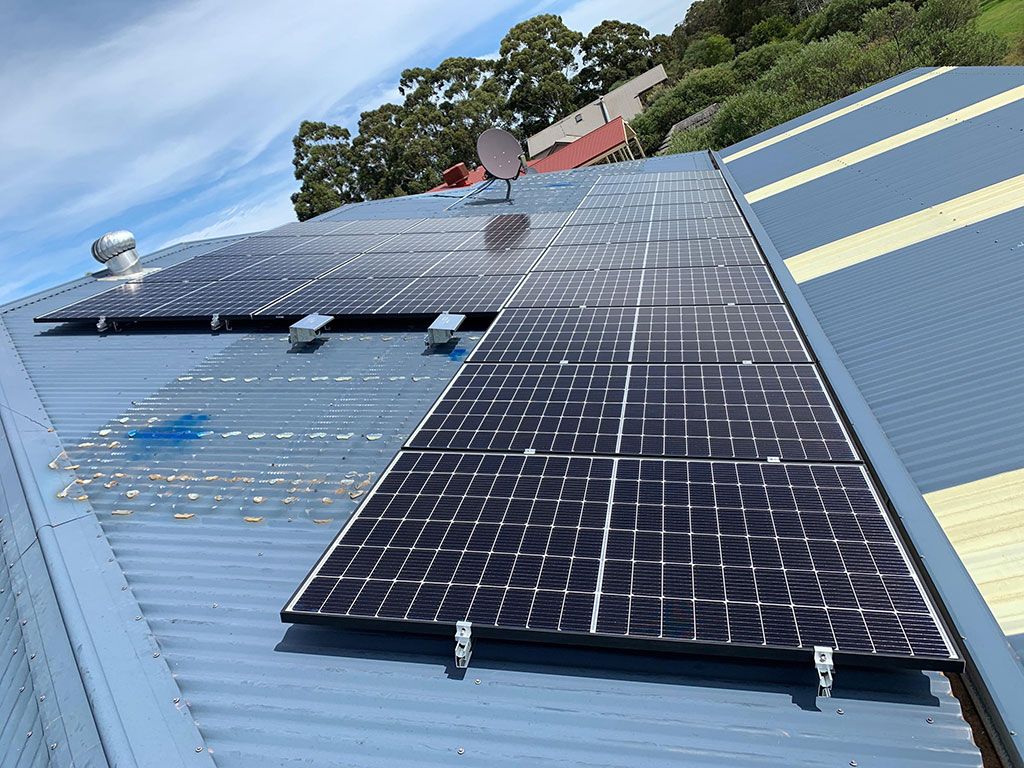
As the world gradually moves to clean energy sources, solar power is rapidly becoming as a leading option for homeowners seeking to reduce their energy bills and decrease their carbon footprint. Nevertheless, in spite of its growing popularity, there are many fallacies about solar panels that can deter potential adopters. In this article, we aim to dispel some of the most common myths about solar panels and deliver you with the essential information you need to form an informed decision.
From comprehending how solar panels work to investigating the financial benefits of installation, we will explore a wide range of topics that demystify this powerful technology. We'll also explore the latest advancements in solar energy, the environmental impacts of switching to solar, and answer frequently asked questions to help you navigate your solar journey. If you are a homeowner thinking about a solar installation or just curious about this booming industry, this guide is designed to arm you with the knowledge that makes solar power within reach and appealing.
Benefits of Solar Energy
One of the advantages of solar energy is its capability for considerable cost savings on electricity bills. By utilizing sunlight, homeowners can generate their own electricity, reducing reliance on traditional utility companies and their variable rates. In several situations, solar panel systems can return their investment within a few years through energy savings , especially with the available tax incentives and rebates. This monetary upside makes solar power an attractive option for many families looking to decrease their monthly expenses.
A key advantage of solar energy is its beneficial impact on the environment. Solar power is a sustainable energy source, which means it helps lower greenhouse gas emissions and address climate change. By transitioning to solar, homeowners assist with a reduction in air pollution and the conservation of valuable natural resources. This change not only benefits the planet but also supports the global movement towards sustainable living.
Lastly, setting up solar panels can raise the value of a property. Properties equipped with solar energy systems are often seen as more desirable to buyers, primarily due to the promise of decreased energy costs and the environmentally friendly aspects of solar power. As awareness of the benefits of renewable energy grows, properties with solar installations are predicted to be more desirable , making them a prudent investment for homeowners looking to enhance their property's marketability.
Comprehending Solar Energy Module Expenses
As you contemplate solar panels for your home, the initial inquiries that emerges is the upfront cost required. The expenses of solar panel systems can fluctuate considerably based on various factors, including the dimension of the system, category of panels, installation challenges, and local market conditions. In general, homeowners can expect to spend ranging from $15,000 to $30,000 for a residential solar panel installation, based on these variables. Additionally, key benefits, such as government tax credits and local rebates, can significantly reduce the initial expenses.
Funding alternatives also play a pivotal role in how homeowners manage solar panel expenses. Many people choose to support their solar panel systems through credit or leases, allowing them to spread out the expense over time. This can make solar energy more accessible for those who lack the capital to invest from the start. Knowing the various financing options and how they affect monthly payments can help homeowners become well-informed about the transition to solar.
Ultimately, while the initial costs are a significant factor, it's crucial to consider the future savings that solar panels can provide. By creating their own electricity, homeowners can considerably reduce their monthly utility bills, which can lead to considerable reductions over the duration of the system. In Solar Panels Swinford , the increasing value of homes with solar installations can enhance the investment. Analyzing both the costs and lasting benefits is very important for anyone contemplating solar energy for their home.
Typical Misconceptions Concerning Solar Energy Panels
Many people think that solar energy panels are solely useful in sunny climates. While it is accurate showing that sunlight is crucial for the generation of solar energy, contemporary solar panels can capture sunlight even on cloudy days. State-of-the-art techniques enables these panels to transform indirect sunlight into usable energy. This means that individuals with homes from multiple locations, even in places with limited sunshine, can still benefit by using solar power.
Another frequent myth claims that solar energy panels require extensive maintenance but they are also expensive to maintain. Actually, they are built for durable while have minimal maintenance needs. The majority of systems typically require periodic upkeep and some maintenance check to maintain peak performance. Moreover, a lot of companies provide warranties that typically last 25 years or more, providing assurance to homeowners on the subject of their long-lasting dependability.
Lastly, a few homeowners believe that solar energy is restricted to wealthy homeowners. However, due to the growing availability of tax incentives and credits for solar, together with various financing options, solar panels are increasingly accessible to a broader range of homeowners. Frequently, the long-term savings from energy costs may counterbalance the upfront expenses, thus making solar solutions a feasible as well as cost-effective option for many families.