

Stone surfaces can bring beauty and elegance to any home, but as time passes, they can exhibit signs of deterioration. Whether it's a marble countertop dulled by daily use or a marble floor that has diminished its luster, grasping the process of stone restoration is essential for homeowners who want to preserve the charm of their homes. Restoring stone is not only about cleaning; it involves a set of meticulous steps to repair, renew, and safeguard these surfaces, to ensure they withstand the test of time.
In this article, we will delve into the realm of restoring stone, offering professional guidance to assist you recognize when your surfaces need care and how professional restoration services can transform your property. From common signs that your stone needs restoration to the advantages of smoothing and protecting, we will guide you through all facets of maintaining and enhancing your stone surfaces. Regardless of whether you are working with travertine, or marble, or even granite, our detailed guide will arm you with the knowledge to make wise choices about your needs for restoration needs.
Understanding Restoration of Stone
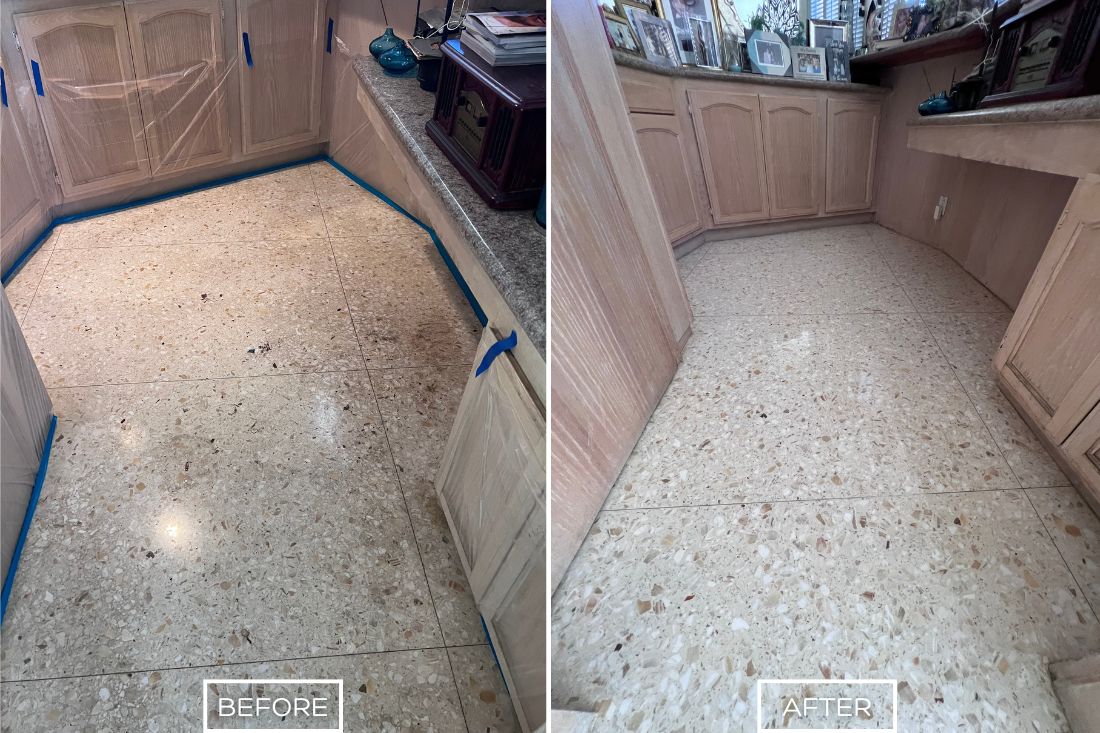
Stone restoration is the procedure of washing, mending, and rejuvenating natural stone surfaces to regain their original beauty and functionality. Over time, stone materials can experience from a variety of harm, including marks, blemishes, and engraving caused by everyday wear and tear. stone mason of stone restoration is to boost the aesthetic of these exteriors while extending their lifespan, making it an important aspect of property upkeep for homeowners and commercial property owners alike.
The significance of stone restoration cannot be overstated. Not only does it boost the aesthetic appeal of a estate, but it also helps to protect the character of the stone. Frequent restoration can avert deeper issues that may arise from overlooking, such as structural impairment or mold growth. Additionally, a properly cared for stone facade can considerably enhance the worth of a property, making restoration a worthwhile investment.
Grasping the multiple techniques involved in stone restoration is critical for achieving the preferred outcomes. This procedure may include thorough cleaning, honing, shining, and sealing of the stone facades. Each category of natural stone, such as onyx, basalt, or travertine, requires distinct methods and materials for effective restoration. By familiarizing themselves with these methods, homeowners can make wise decisions about at what point to seek professional assistance or consider a DIY solution.
Professional vs. Do-It-Yourself Restoration
When it comes to reviving rock surfaces, many homeowners face the decision of whether to contract professionals or attempt a DIY approach. Specialized rock restoration companies bring a vast amount of skill and know-how that can significantly enhance the finish. They understand the distinct characteristics of different stone types and use custom techniques, tools, and products to achieve the optimal finish. Their thorough knowledge helps prevent potential issues that can occur with improper care, ensuring that the restoration process is both successful and non-damaging for the stone.
On the other hand, do-it-yourself restoration might seem like a practical option for certain homeowners. However, it can be a risky venture, especially for those without experience in stone care. Without the necessary skills, homeowners can accidentally ruin their natural stone surfaces, leading to more significant repairs or even the need for total replacement. Furthermore, do-it-yourself methods often do not include the industry-grade products that can provide the necessary preservation and endurance for restored surfaces, resulting in less pleasing outcomes over time.
In selecting between specialized services and a self-directed approach, consider the current condition of your stone and your desired finish. If the rock requires extensive restoration or has significant damage, it is often worth spending in experts who can ensure a top-notch restoration. Conversely, for small touch-ups or maintenance, DIY methods may be adequate as long as homeowners educate themselves on proper techniques and products. Ultimately, the choice should be based on the level of expertise, the status of the rock, and the desired aesthetic finish.
Maintenance and Preservation Tips
To ensure your revitalized stone surfaces looking pristine, regular maintenance is crucial. Start by gently brushing the area to clear away dirt and debris that can contribute to scratches over time. For daily cleaning, use a gentle cloth and a pH-neutral cleaner specially designed for natural stone. Do not use acidic or scratching cleaners, as these can damage the finish and injure the stone. Creating a routine cleaning schedule can considerably prolong the life and beauty of your surfaces.
Using a sealant is another crucial step in caring for your stone. After restoration, use a high-quality stone sealer to shield against stains and moisture penetration. It is important to reapply sealant your surfaces every 1 to two years, depending on the kind of stone and the level of use. Always follow the manufacturer's instructions regarding the sealer application process to ensure maximum efficacy. A properly sealed stone surface not just looks better, but it also makes future cleaning easier and more effective.
At last, be cognizant of the environmental factors that can affect your stone. For exterior surfaces, ensure proper drainage to prevent water buildup, which can cause damage over time. In addition, put mats or rugs at entry points to minimize abrasives being tracked inside. Regularly inspect your stone for any signs of damage, such as fissures or chips, and resolve them quickly to prevent further deterioration. By following these upkeep and protection tips, you can ensure your stone surfaces looking brand new and lovely for an extended period to come.