

In today's world, the challenge of waste management has become increasingly critical than ever, as we increasingly recognize the significant impact our consumption habits have on the environment. The linear economy, characterized by a "take-make-dispose" model, has led to overstuffed landfills and a depletion of natural resources. However, the concept of the circular economy offers a revolutionary solution, focusing on redefining waste as a resource. This transition not only helps in reducing environmental harm but also creates new avenues for creativity and economic growth.
Understanding effective waste management practices is crucial for people, companies, and communities alike. From recycling and organics recycling at home to implementing sustainable waste management plans in corporate settings, every effort counts toward building a more pristine, healthier planet. This guide explores a range of modern waste management solutions, highlights the importance of sustainability, and provides practical tips for enhancing waste practices in various contexts. By embracing the principles of the circular economy, we can transform waste into valuable resources and create a sustainable future.
Effective Refuse Management Techniques
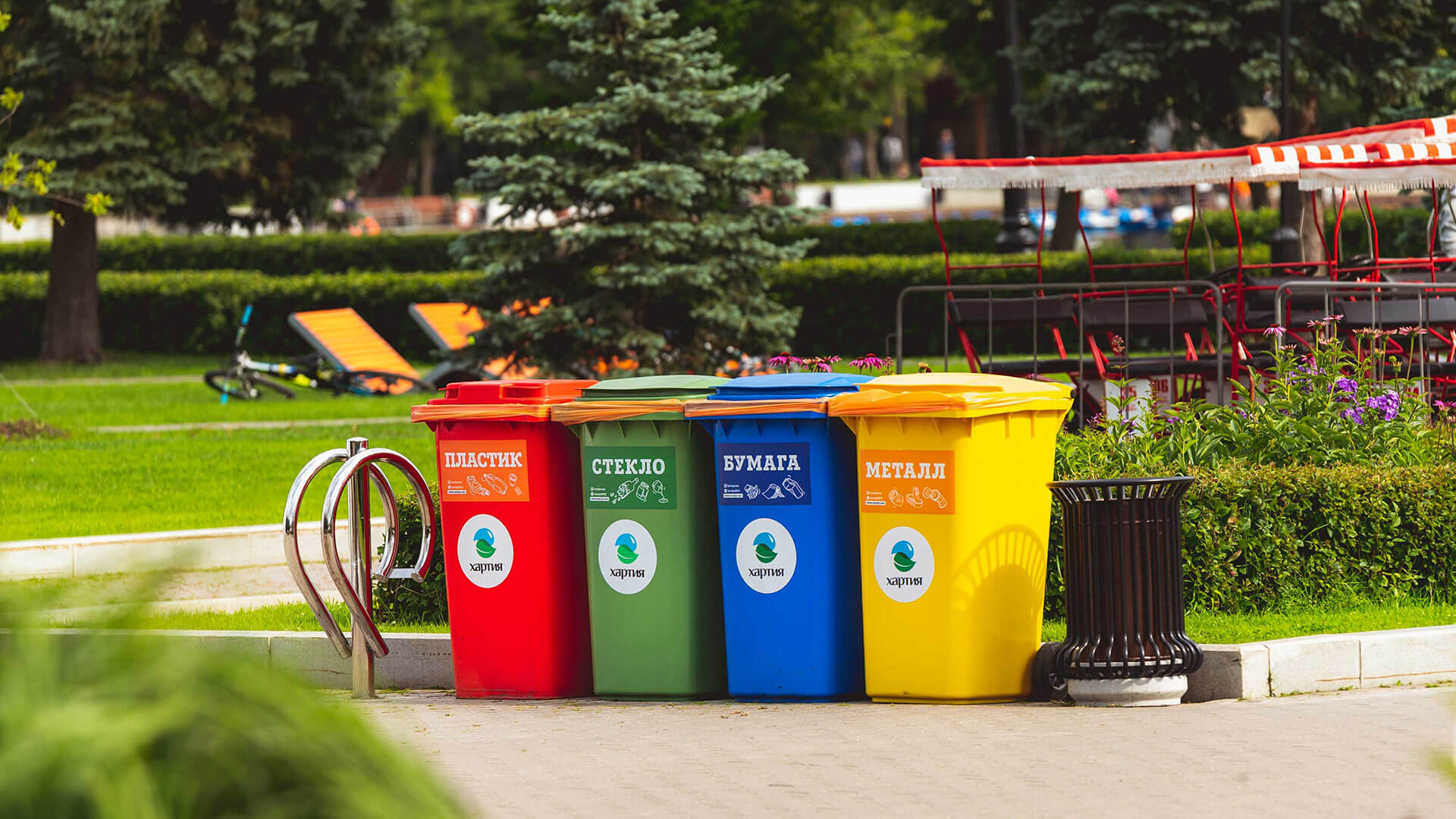
To establish effective trash disposal techniques, businesses need to emphasize waste segregation at the source. Correctly separating recyclable waste, organic waste, and typical refuse not only enhances recyclable waste processing rates but also reduces tainting of recyclable materials. This technique makes it easier to redirect waste from dump sites and enables greater efficient processing. Instructing workers about the significance of waste segregation is crucial in securing compliance and fostering a mindset of sustainability within the business.
Another, vital method is conducting routine refuse audits. These audits help identify the categories and amounts of refuse produced, providing important insights into utilization patterns and waste disposal efficiency. By reviewing assessment results, companies can identify areas for improvement and create specific strategies to cut down on waste. This analytics-based approach not only enhances operational efficiency but can also bring about cost savings through lowered waste disposal fees and improved resource use.
Finally, collaborating with professional refuse handling services can considerably enhance waste disposal techniques. These kinds of services offer experience in refuse reduction strategies, correct disposal methods, and recycling programs customized to the particular needs of a organization. Collaborating with skilled professionals ensures adherence with regulations and helps businesses to stay ahead of sector developments. By utilizing the knowledge and resources of refuse management experts, companies can improve their environmental responsibility efforts and successfully contribute to the closed-loop economy.
A Importance of Digital Solutions in Waste Disposal
Digital solutions plays a crucial role in reshaping traditional waste management practices into more effective and sustainable processes. Advanced analytics and AI are now being used to monitor waste generation and disposal in real-time. Cities can use smart bins equipped with sensors that provide data on fill levels, facilitating timely pick-ups and reducing redundant trips. This efficiency not only saves money but also minimizes the carbon footprint associated with waste transportation.
Additionally, technology enhances better waste segregation and recycling efforts. Automated sorting https://classroom.miniaturehorsemanship.com/members/olivecloudy09/activity/620445/ use machine learning algorithms to identify different materials in waste streams, significantly improving recycling rates. Innovative apps and platforms have emerged that help individuals and businesses monitor their waste reduction efforts and link to recycling services, making it simpler for everyone to participate in sustainable practices. This move towards tech-driven solutions allows for a holistic approach to resource recovery.
Ultimately, the integration of technology in waste management also includes the implementation of sustainable waste-to-energy systems. These systems change waste materials into sustainable energy sources, effectively lowering landfill usage and generating power. Additionally, blockchain technology is being explored for improving transparency in waste disposal processes. By providing traceability from disposal to processing, it helps build trust in waste management practices, making sure that businesses and consumers understand the consequences of their waste choices.
Eco-friendly Solutions for Businesses
Adopting eco-friendly waste reduction strategies is essential for businesses looking to minimize their environmental impact and improving operational performance. One successful method is conducting waste audits to determine the kinds and volumes of waste created. This enables businesses to create specific plans for waste reduction, recycling, and reuse, which ensures that resources are utilized in a more efficiently. Having a definitive understanding of waste flows enables businesses to refine sourcing and elevate their overall sustainability profile.
Another crucial aspect is the integration of smart waste management technologies. Innovative solutions such as waste monitoring software and IoT-enabled bins can deliver real-time data on waste disposal practices. This information assists businesses to analyze their waste generation rates, identify problems, and make knowledgeable decisions that fit a circular economy framework. By harnessing technology, organizations can significantly cut costs associated with waste disposal and enhance their dedication to sustainability.
Finally, fostering a mindset of sustainability inside the organization can lead to long-term change. Engaging employees in waste management initiatives, offering training on recycling practices, and promoting zero-waste goals can foster a sense of responsibility towards waste reduction. Businesses can also partner with professional waste management services to guarantee compliance with regulations and to apply best practices. By making sustainable practices a core component of their operations, companies not only support to environmental safety but also enhance their brand image and build customer trust.