

Water-related issues can strike unexpectedly, transforming a dream home into a nightmare in just moments. From heavy storms to plumbing failures, the causes of water damage are numerous, and the impact can be severe. Knowing what to do immediately after water damage in your home is crucial to minimizing harm and initiating the restoration process. In this detailed guide, we will examine the art of restoration, revealing successful strategies to transform water-damaged areas back into secure and livable spaces.
It is essential to identify the signs that indicate the need for emergency water damage restoration. Whether it's identifying hidden water damage in your home or realizing how water damage can affect your flooring, addressing these issues promptly can save you time, money, and stress. We will also discuss the importance of hiring a qualified water damage restoration company to make sure that the job is done correctly. With the right knowledge and preparation, you can protect your belongings, prevent mold growth, and safeguard your home's structure after experiencing water damage.
Swift Steps Post Water Damage
If you've encountered water damage in your home, the first thing you should do is ensure everyone's safety. Make sure to turn off the electricity in the affected area to prevent potential electrical hazards. It's also wise to avoid walking in stagnant water, as it may contain harmful contaminants. If the level of water is high or if one is uncertain about the situation, it’s wise to call for expert assistance without delay.
Next, you should begin the task of removing as much water as possible. Use towels, mops, or a wet/dry vacuum to soak up the surplus water. If you have access to pumps, use them to expedite this process. The sooner you take action to remove the water, the less damage your property will sustain, and the easier it will be to stop mold growth later.
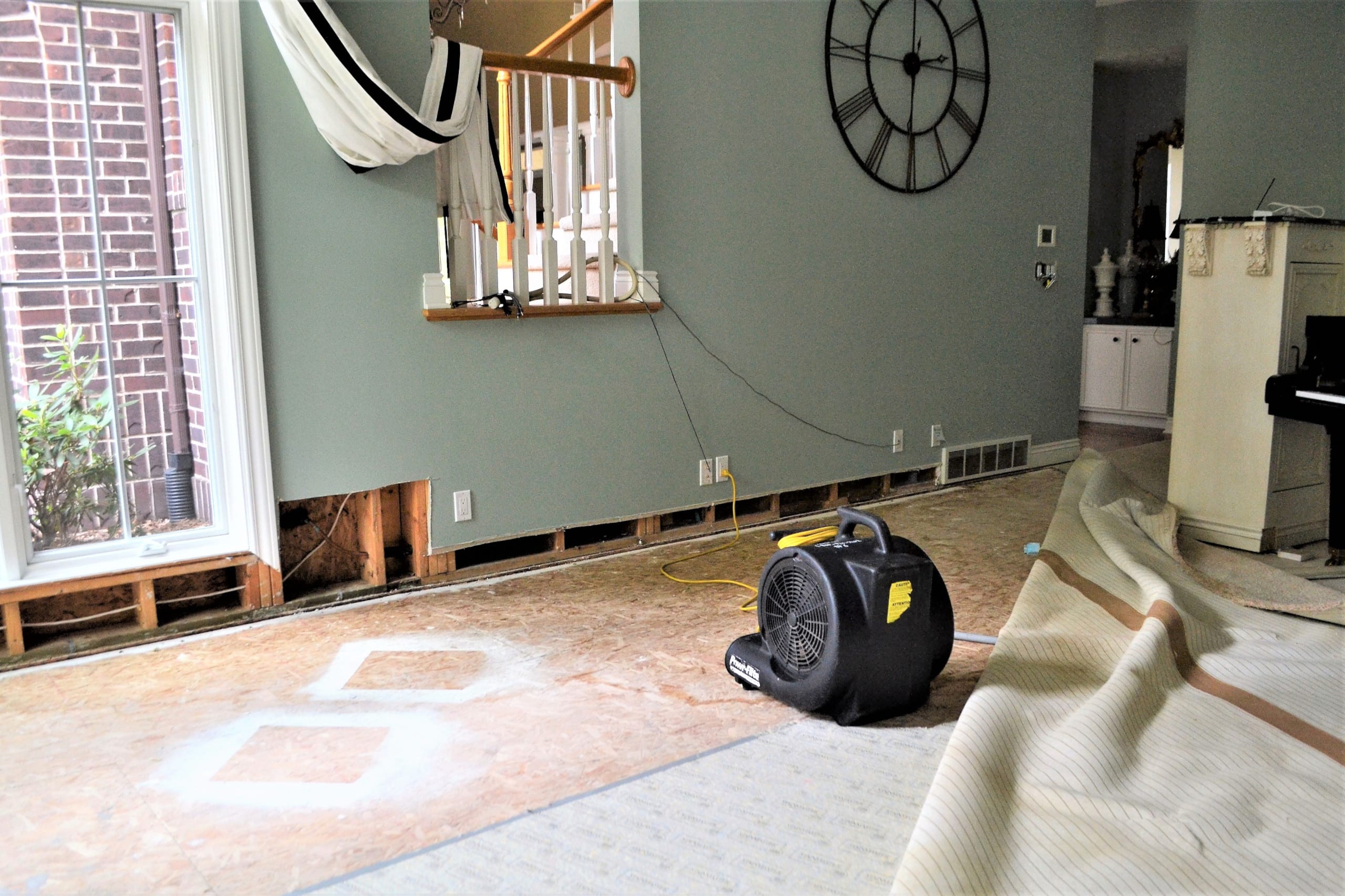
Once the majority of the water is extracted, focus on drying the affected areas. Open the windows and exit points to allow ventilation and use fans or dehumidifiers to enhance moisture evaporation. It's essential to dry the area within 24 to 48 hours to prevent mold development and further damage to your home’s structure. Concentrate on drying carpets, furniture, and walls, as these materials can absorb water and become breeding grounds for mold if not attended to promptly.
Grasping Restoration of Water Damage
Restoration of water damage is a vital procedure that entails the recovery of a building to its original condition after an incident such as heavy rains, drips, or other liquid-related emergencies. Timely response is crucial, as prolonged exposure to water can result in extensive damage to the structure and create an environment conducive to the growth of mold. Homeowners must understand the necessary steps in restoration, the need of promptness, and when it is time to bring in professionals.
The restoration steps typically begins with a thoroughgoing examination to determine the scope of the damage. This comprises finding concealed water damage that may not be obvious, such as behind walls or beneath flooring. Professional water damage restoration companies use sophisticated techniques, like moisture mapping and infrared imaging, to pinpoint water-affected areas. Once the review is complete, the following step involves removing water and moisture extraction. Swift water extraction minimizes damage further and helps prevent future complications related to mold and the integrity of the structure.
After the extraction, the focus shifts to sanitizing and rehabilitating the impacted regions. This comprises sanitizing surfaces, replacing damaged materials, and fixing any structural issues caused by the water. Homeowners must recognize common missteps during the restoration process, such as insufficient drying or failing to address hidden moisture. Understanding these elements can empower homeowners to take educated actions, whether they choose to manage the situation on their own or seek professional help in restoring their property from water damage.
Mitigating Future Water Harm
Adopting preventive actions can substantially lower the likelihood of water harm in the residence. One effective approach is to periodically check and manage your water systems. Look for issues in all pipes, like those beneath sinks and around appliances. Additionally, ensure that the property’s drainage systems are free of blockages to promote effective drainage and avoid water build-up around the foundation. Additionally, consider installing drainage pumps or flood prevention systems in areas vulnerable to water overflow.
Aside from pipe reviews, periodic roof maintenance is crucial. A basic check of the roof can reveal broken shingles, loose tiles, or additional problems that could result in drips. Be sure to fix any gaps in your top cover and protective barriers without delay. Additionally, be https://3sraz.com/ to your home’s heat retention and breathability, particularly in roof spaces and basements, to reduce humidity accumulation, which can result in fungus growth.
Lastly, consider investing in liquid alert systems that can notify you to leaks before they become a major concern. Such systems can be particularly advantageous in danger-prone areas such as lower levels or near liquid storage units. Incorporating these protective actions into your regular property maintenance routine can help you protect the home against future moisture harm, ensuring a healthier and protected living space.