

When starting on a development project, whether it's a small home or a tall skyscraper, the foundation is the single crucial factor that often determines the success of the entire structure. This is the point at which reliable piling services become important. Piling is a specific technique used to convey the weight of a building to stable soil or rock deep below the surface, ensuring that the structure remains safe and steady over time. As construction techniques keep to evolve, realizing the importance of piling services and their applications has never been more essential for architects, engineers, and builders alike.
In this article, we will examine the full guide to piling services, discussing what they are and why they are. From identifying the signs that indicate the need for piling to comprehending the various types that exist, this comprehensive overview will provide you with the knowledge needed to make educated decisions about foundation solutions. Whether you're dealing with challenging ground conditions or planning a large-scale infrastructure project, knowing how to choose the right piling service can significantly impact not just the safety and stability of your project but also its overall outcome.
Understanding Piling System Solutions
Piling services are crucial in building, mainly concentrated on forming robust foundations that support structures and infrastructures. This entails driving piles, which are tall, thin columns made of materials like polymer, metal, or timber, inserted deeply into the ground. Piling helps distribute the load of a structure evenly across multiple soil layers, providing stability and stopping settlement or failure. The value of reliable piling solutions cannot be exaggerated, as they play substantially to the overall security and durability of building projects.
The process of selecting the appropriate piling technique is based on several criteria, including ground conditions, load specifications, and the type of structure erected. Piling services can differ considerably, from driven piles, which are pounded into the ground, to excavated piles, which are drilled and poured in position. Knowing these distinctions is crucial for engineers and builders when creating a foundation appropriate for specific site conditions. This specialized service plays a critical role in ensuring that edifices persist robust against natural forces and shifts in the subsurface landscape.
Additionally, dependable piling solutions are essential for addressing problems posed by difficult ground conditions. Some sites may feature unstable soil, elevated water levels, or existing structures that complicate foundation work. Skilled piling contractors apply their knowledge and modern technology to handle these complexities successfully. By executing thorough site assessments and adopting the suitable techniques, they can deliver tailored solutions that boost construction safety and durability, highlighting the critical role of piling in effective project successes.
Piling Techniques and Applications
Foundation methods are essential in establishing a strong base for different building initiatives, spanning from residential homes to big infrastructure developments. https://pilingcontractorsnottinghamshire.co.uk/ of piling methods include impact piles and bored piles, each with its unique applications and advantages. Impact piles are typically used when immediate load-bearing capacity is needed, as they are driven into the earth, creating significant resistance between the pile and adjacent ground. In comparison, drilled supports are drilled into the ground, allowing for a more managed method, especially beneficial in areas where ground conditions are challenging.
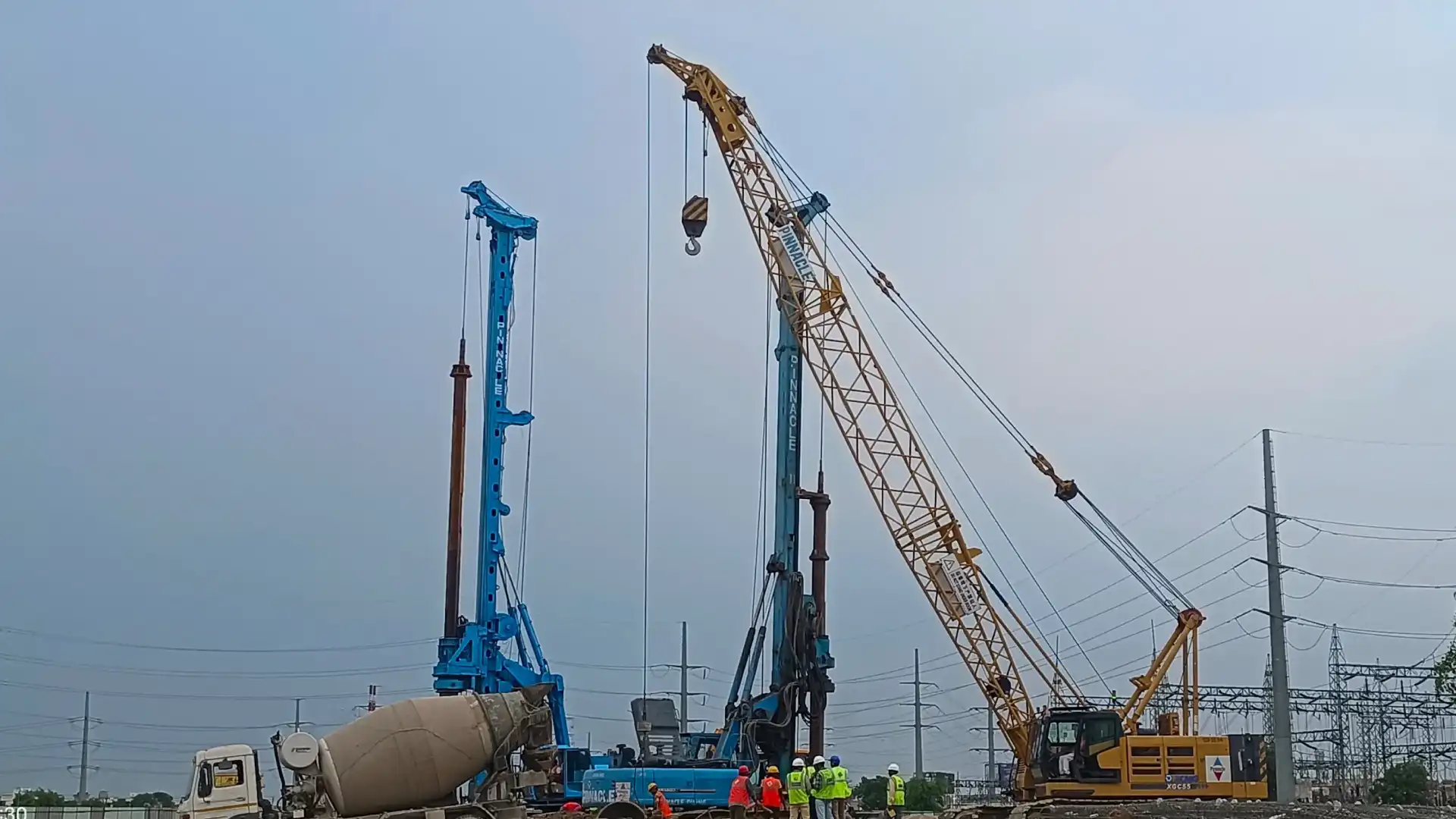
Another critical method involves the use of micropiles, which are small-diameter supports perfect for confined spaces or when traditional methods prove impractical. These piles provide high resistance and can be used in a wide range of settings, including residential foundations and heritage rehabilitation projects. Understanding the specific needs of your site, including ground makeup and load demands, is essential for selecting the right foundation method to ensure stability and security.
The use of piling services extends past standard construction. They play a key role in supporting structural initiatives such as bridges and roads. In these situations, proper foundation ensures that buildings can endure substantial weights and environmental conditions, maintaining building integrity over time. By using advanced techniques and equipment, the foundation process can improve building efficiency, enabling timely project completion without compromising quality.
Selecting the Right Piling Method
Choosing the right pile solution for your construction project is crucial for ensuring the strength and longevity of the building. Various factors must be considered, including soil conditions, load demands, and impacts. A thorough ground investigation can provide essential data about soil type and load-bearing capacity, helping you in selecting between different piling methods such as driven piers, bored piers, or specialized techniques like micropiling.
Once you assess the site conditions, it's necessary to collaborate with geotechnical engineers and piling contractors who can offer expert insights into the best piling options for your project requirements. Their expertise is inestimable in determining how far the piles should go and which materials would most effectively support your structure given the local site-specific factors. The appropriate solution not only helps in creating a stable foundation but also minimizes potential issues during the installation process and throughout the building.
Finally, consider the long-term implications of your piling choice, such as future site development and sustainability. Some modern piling techniques focus on low-impact solutions that can effectively reduce environmental disruption. By being mindful of these factors and consulting knowledgeable professionals, you can ensure that your selection leads to a successful foundation that meets both future needs.