

In the quest for sustainable solutions to combat climate change and reduce dependence on fossil fuels, solar energy has emerged as a beacon of hope. Solar panels, once considered an indulgence, are now becoming essential for homeowners and businesses alike. https://solarpanelsoxfordshire.uk/best-battery-storage-oxfordshire/ to technological advancements and a growing understanding of the environmental benefits, an increasing number of individuals are realizing the power of the sun as a sustainable energy source that can significantly reduce utility bills and carbon footprints.
In this article, we will investigate the multitude reasons to invest in solar panels for your home, from grasping their functionality to managing the financial considerations of installation. We will also discuss common myths and misconceptions, explore the distinctions between residential and commercial systems, and provide essential information on maintenance and warranties. If you're contemplating making the switch to solar energy or looking to optimize your current setup, this guide will provide you with the understanding you need to welcome this groundbreaking energy source.
Benefits of Solar Energy
One of the notable merits of solar energy is its contribution to diminishing carbon output. Through harnessing the power of the sun, homes and companies can significantly decrease their reliance on fossil fuels, a major contributor to greenhouse gases. This shift not only helps tackle climate change but also promotes better air and a safer environment. As more people adopt solar energy, the cumulative effect on worldwide emissions can be profound, resulting to a sustainable future.
Another strong reason to invest in solar panels is the possibility of considerable savings on electricity bills. Once the initial installation costs are settled, residents can enjoy free electricity generated from the sun, effectively reducing or even eliminating ongoing utility costs. In many cases, additional energy produced can be sold back to the grid, further enhancing savings. With the increasing costs of traditional energy sources, solar energy offers a long-term solution to reduce and lower overall energy expenses.
Additionally, installing solar panels can boost the value of a property. Homes equipped with solar energy systems are often viewed as highly sought after, attracting environmentally aware buyers willing to pay a mark-up for energy-efficient features. This boost in property value can be a noteworthy advantage for homeowners considering selling in the future. As the emphasis on sustainability grows, having a solar panel system may become a valuable asset that enhances a property’s marketability in a busy market.
Understanding Photovoltaic Systems
Photovoltaic systems transform solar energy to power, making them a vital component of harnessing solar energy. At the center of these systems are solar cells, which capture sunlight and produce direct current (DC) electricity. This DC electricity is then converted into AC electricity through an inversion device, making it suitable for home appliances and the electrical grid. Understanding the basics of how these components function in unison is crucial for individuals thinking about a solar panel installation.
There are various types of solar panel systems offered, primarily divided into grid connected, off-grid, and combined systems. Grid-tied systems are linked to the local power network, allowing homeowners to draw from grid electricity when solar production is low while sending excess energy into the utility. Off-grid systems, on the other hand, are independent and depend on battery storage for energy supply. Hybrid systems integrate features of both, ensuring enhanced versatility and reliability. Each system type is suited for different energy needs and regional factors.
The efficiency and performance of a solar panel system can be influenced by several factors, including the type of solar panels installed, roof orientation, and local weather conditions. Monocrystalline panels are famous for their high effectiveness and sleek appearance, while polycrystalline panels offer a less expensive option. Homeowners must also factor in environmental factors, such as shading from foliage or buildings, that might impact energy production. Comprehending these aspects is key to selecting the appropriate system and enhancing its performance.
Fiscal Factors for Photovoltaic Investment
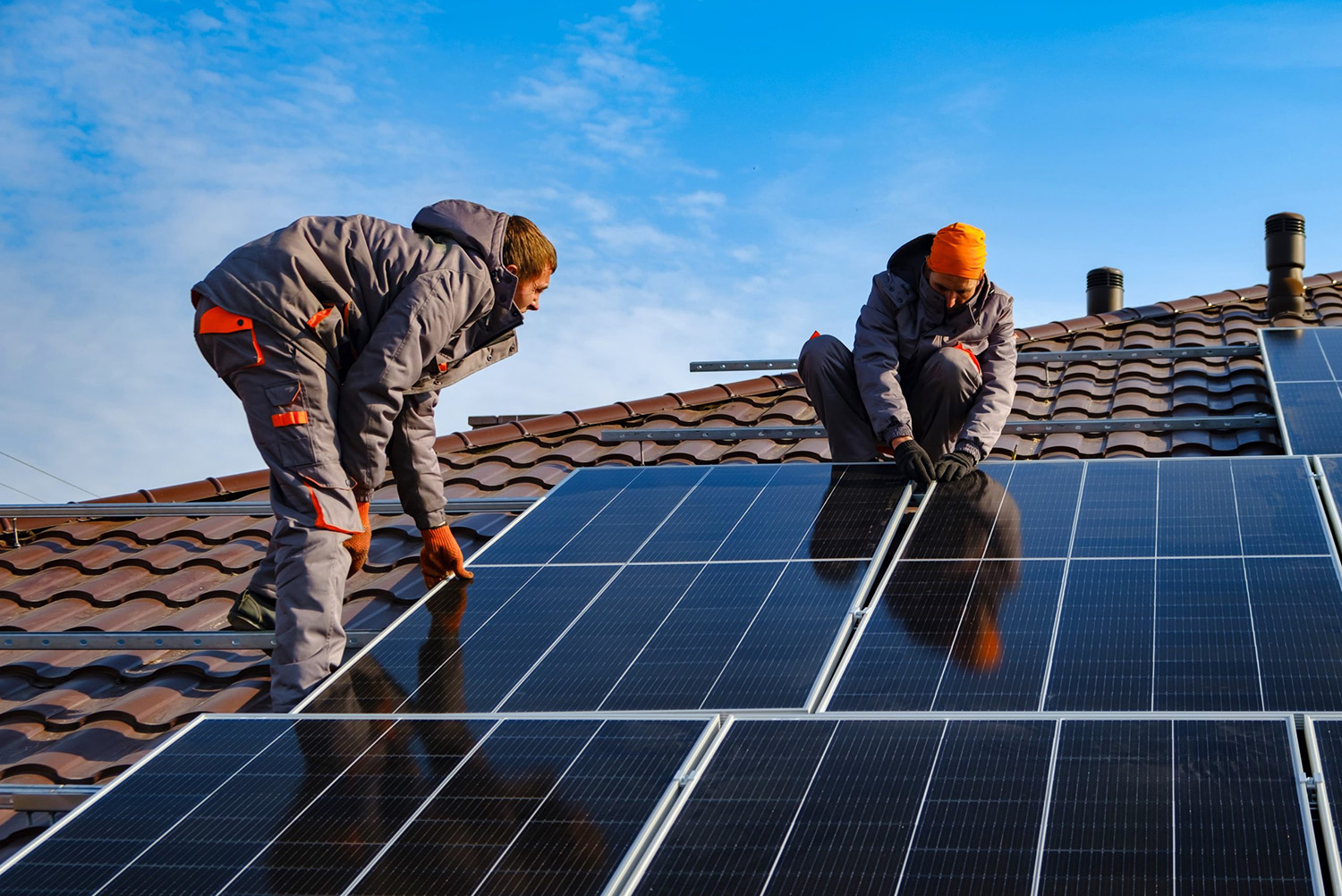
Investing in solar panels might lead to significant long-term reductions on utility bills. Residents may save a notable quantity by creating their individual electricity, notably with the increasing costs of historic energy sources. The financial gains are even more evident when factoring in government subsidies and tax credits, which may diminish the initial construction costs. Grasping these financial benefits helps in making an informed decision about solar investments.
An additional crucial element is the funding options accessible for solar panel deployments. Numerous homeowners could not have the upfront capital required for a full installation, but various financing methods, such as solar loans and leasing options, make it accessible. These options often allow homeowners to cover the cost of the system over time, ensuring that the monthly payments remain less than their previous utility bills. Selecting the right financial option might maximize savings in the future.
Finally, potential rises in property value can dramatically enhance the financial appeal of solar investments. Homes equipped with solar panels frequently attract increased resale values and can sell sooner than those without. This increase in property value is an essential consideration, as it represents a return on investment that reaches beyond short-term savings. Homeowners should carry out thorough research to understand how solar panels can enhance their specific financial situation over time.