

In today's rapidly changing environment, effective waste management has become a critical concern for people, companies, and societies alike. As the global population expands and consumption patterns change, the pressure to manage waste sustainably has or never been higher. With heightened awareness of the environmental effects of our waste and the essential need for responsible disposal practices, we are at a decisive moment where transforming trash into treasure is not just a possibility but a requirement.
The following piece will serve as your comprehensive guide to contemporary waste management solutions, exploring the importance of effective waste management is essential for every business and how it can help to a cleaner, greener planet. From actionable tips on reducing waste at home to perspectives on how technology is changing waste management practices, we will investigate into the vast landscape of waste solutions. In unison, we will uncover the benefits of effective waste segregation, the importance of recycling, and how innovative approaches can lead to a closed-loop economy where waste is minimized and resources are optimized. Join us on this journey to discover how you can be part of the change in waste management in the present.
Significance of Efficient Waste Management
Effective waste management is crucial for upholding a neat and wholesome environment. When waste is not handled correctly, it can lead to environmental degradation, dangers to health, and damage to wildlife. Poor waste disposal methods can taint soil and water sources, creating lasting ecological issues. Having a strong waste management strategy in place helps reduce these risks and encourages a responsible approach to resources management, aiding communities and ecosystems alike.
For organizations, effective waste disposal is not just about adhering with regulations; it also has considerable financial effects. Implementing modern waste disposal solutions can lead to cost savings through optimized efficiency and lowered disposal fees. By engaging in practices like waste sorting and recycling, organizations can minimize their waste footprint and enhance their brand image. This preventive approach not only helps in lowering costs but also showcases a commitment to sustainability, appealing to environmentally conscious consumers.
Finally, the role of effective waste disposal transcends just environmental benefits; it is also a critical component in the health of the public. Correct waste management practices help prevent the spread of diseases linked to waste improper handling. Communities with strong waste management systems generally experience diminished rates of disease and better quality of life. By focusing on proficient waste disposal, we add to healthier communities, matching economic goals with community responsibility.
Forward-thinking Waste Recycling Solutions
As we aim to create a further sustainable environment, novel waste disposal approaches are forming as crucial tools for companies and localities alike. One of the most crucial advancements is the integration of tech into waste management practices. Smart bins fitted with monitors can track waste levels and enhance collection routes, reducing fuel usage and cutting operational costs. These high-tech solutions not only increase efficiency but also provide real-time data that can help companies understand waste generation and make smart decisions about material management.
Another promising development is the rise of waste-to-energy systems. By transforming non-recyclable waste materials into usable energy, such as electricity or heat, these approaches help reduce landfill use while providing a green energy source. Wealth Management Launceston Cornwall mitigates the strain on waste management systems but also contributes to reducing greenhouse gas release. As metropolitan regions and industries seek renewable energy sources, waste-to-energy plants are becoming a viable option that aligns with the ideals of a closed-loop economy.
Furthermore, community engagement and outreach play a vital role in new waste recycling methods. Initiatives that motivate residents to participate in waste separation and recycling initiatives can lead to notable improvements in collective waste management effectiveness. Workshops and educational campaigns about composting, recycling, and responsible waste handling help foster a culture of sustainability. By empowering individuals and businesses to take an proactive role in waste reduction, societies can unlock the potential of waste as a resource, turning what was once considered garbage into important resources for recycling and reuse.
Eco-friendly Strategies for Companies
In today’s ecologically aware era, companies must adopt green waste disposal practices to lessen their ecological footprint. Implementing a waste management program is a crucial measure, which includes evaluating existing waste streams, spotting areas for development, and setting clear targets for waste reduction. By emphasizing reprocessing and utilizing again materials, businesses can significantly minimize the amount of waste sent to waste facilities and preserve precious materials. Additionally, adopting sustainable packaging can assist in cutting waste at the beginning while appealing to green-minded consumers.
Knowledge sharing and training are key for fostering a climate of ecological responsibility within an company. Staff should be educated about successful strategies in waste sorting and recycling practices. Establishing a waste evaluation system can support identify flaws and provide insights into how trash is processed in the environment. Frequent workshops and motivating team members in sustainability projects not only boosts team spirit but also encourages innovative approaches that can further enhance waste management strategies.
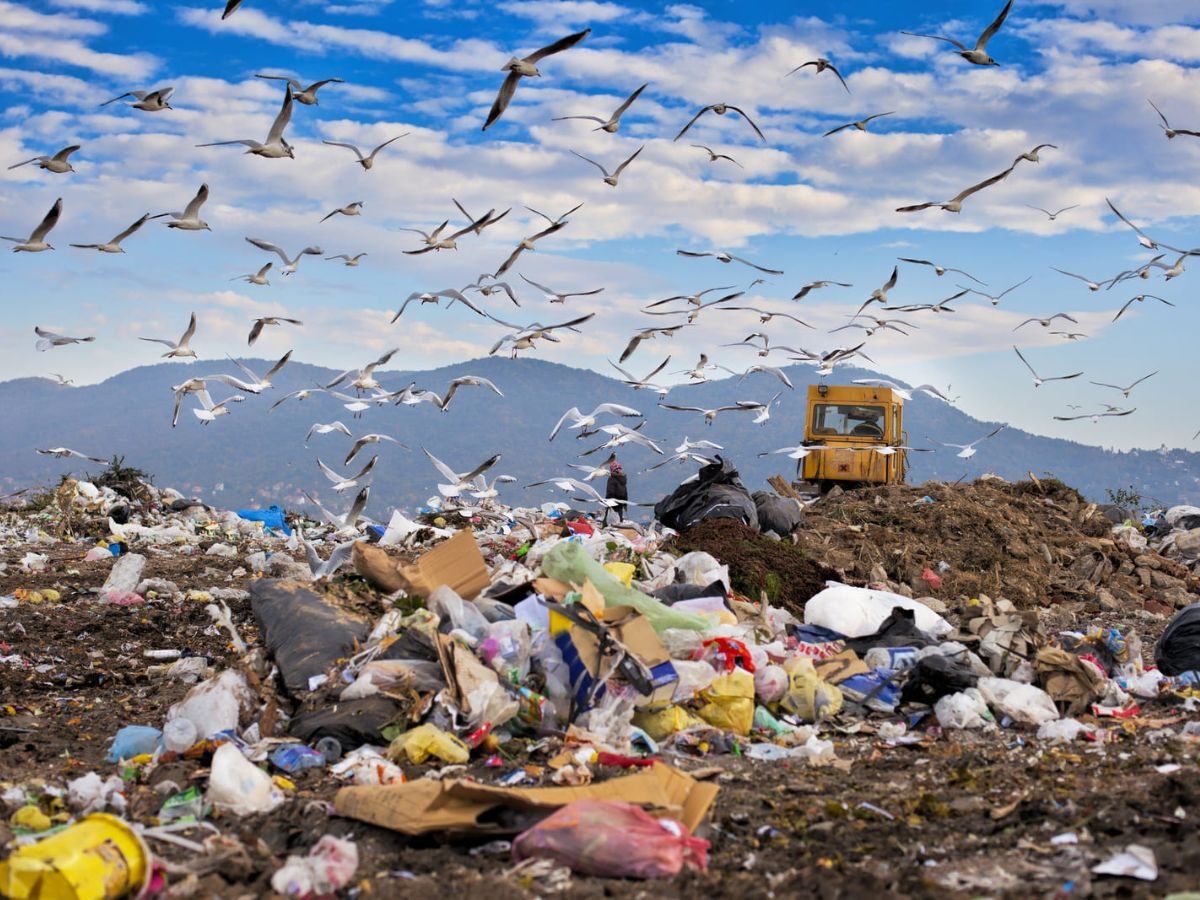
Working together with expert refuse management services can also have a critical role in achieving sustainable waste management goals. These professionals can provide tailored waste strategies, ensuring compliance with standards and lowering the financial burden associated with incorrect garbage management. By partnering with such providers, organizations can take advantage of advanced methods and effective approaches to improve their refuse handling procedures, ultimately contributing to a more sustainable economy and a better world.