

An garage entrance serves as a crucial entry point for your home; it has a vital part in the security and operation of your property. Unfortunately, like other mechanical system, garage doors can encounter various issues that may demand attention. From strange noisy operations to stubborn doors, recognizing the clues of trouble can save you hours, costs, and aggravation.
In this piece, we will explore typical garage door problems and offer effective solutions for troubleshooting and maintenance. Regardless of whether considering DIY fixes or wondering when it’s time to hire a professional, understanding your garage door's functionality is essential to maintaining it in secure working condition. We will cover everything from the most typical problems to recommendations for upkeep, guaranteeing that your garage door stays a trustworthy element of your house for the foreseeable future to come.
Recognizing Typical Garage Door Malfunctions
A correctly working garage door is vital for both ease and safety. Still, various complications can arise that suggest it may need repair. One of the most noticeable signs is when the garage door doesn’t open or close effortlessly. You may experience jerking movements or a complete failure to operate. These symptoms can stem from mechanical issues such as a faulty opener, worn-out rollers, or a damaged spring.
Another typical issue manifests as strange noises during use. If you detect squeaking, scraping, or clanking sounds, this could imply a lack of oil, misaligned components, or worn-out parts. Ignoring these indicators can lead to further damage, making prompt care to these sounds necessary. Additionally, a clamorous garage door can be an annoyance and disturb the tranquility in your house.
Observable cues can also help identify garage door problems. Look for visible issues such as dents, cracks, or oxidation on the door panels. Damaged cables or springs may be apparent, and any misalignment in the door’s tracks should be corrected right away. Routine inspections can help catch these problems quickly, preventing more extensive repairs down the line.
Do-It-Yourself Fixes & When to Contact a Pro
Many property owners are often inclined to address garage door repairs on their own, particularly for small issues such as noisy hinges or misaligned sensors. Basic tasks like lubricating the operating parts or tightening loose screws can easily improve the garage door's functionality and lengthen its durability. Comprehensive guides and tutorials are readily available online, providing detailed instructions on how to repair typical problems. However, it's crucial to assess your abilities and the nature of the problem before diving in.
While DIY fixes can be rewarding, some cases require professional intervention. If you face problems like broken springs, damaged panels, or significant electrical issues, it is wise to request help from a certified technician. Garage door springs, for example, are under immense tension and can lead to injury if mishandled incorrectly. Additionally, if you notice your garage door is not working to its remote, or when it's making unusual sounds, these could signal underlying problems that require specialized knowledge to effectively diagnose and resolve.
At the end of the day, knowing the right time to call a professional can spare you time, cash, and potential hazards. If a fix seems out of your comfort zone or when you don't have the proper tools, it's best to employ a licensed garage door repair service. Regular maintenance inspections by professionals can also help avoid costly fixes in the future and make sure that your garage door functions efficiently and safely.
Upkeep Advice for a Long-Lasting Garage Door
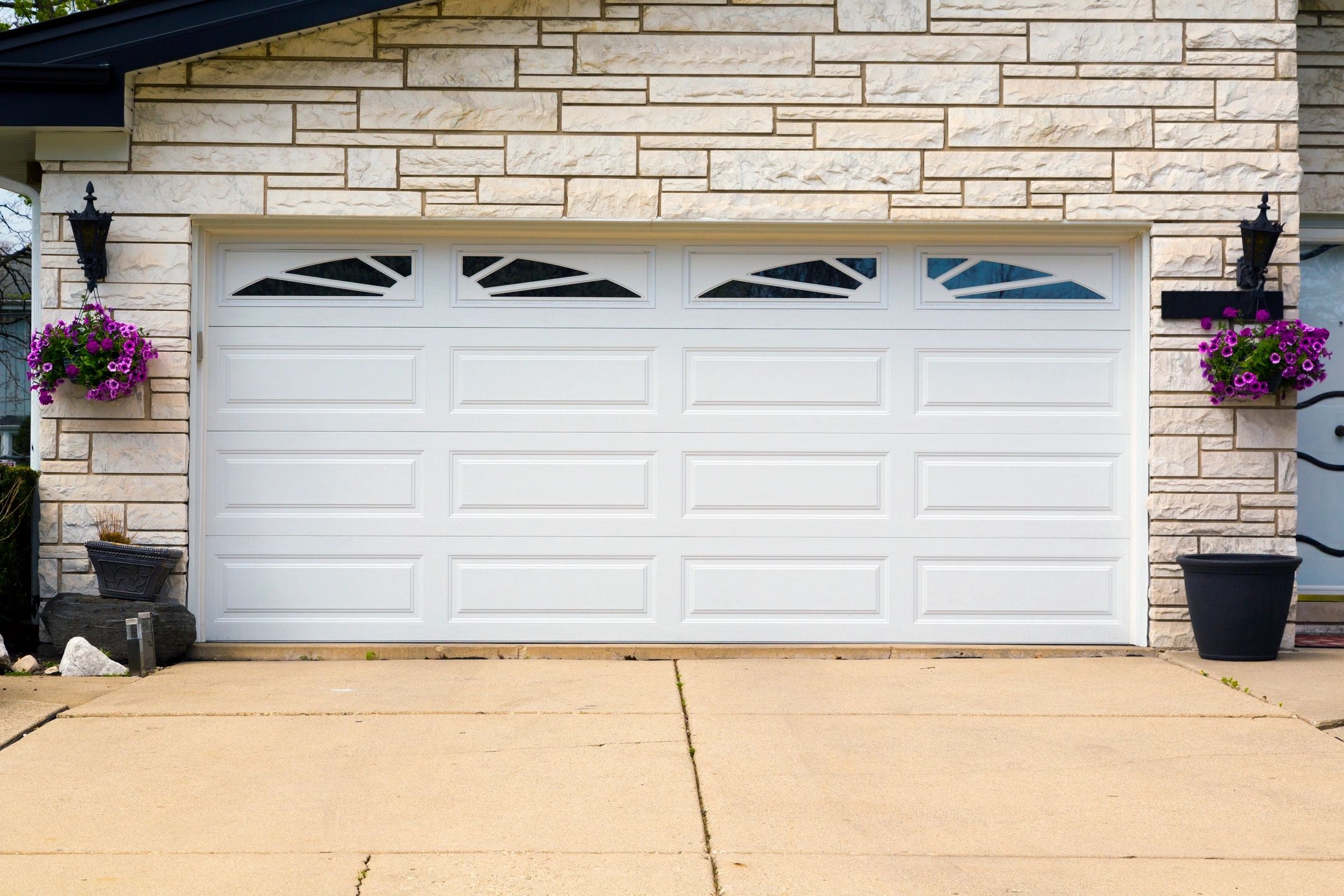
Routine maintenance is essential for keeping your garage door continues in good working condition for years to come. Start by inspecting the door's elements, including springs, ropes, and rails, for signs of deterioration. Look for worn cables, oxidized springs, or any misalignment in the tracks. Cleaning the tracks and rollers can help stop dirt buildup that could influence performance. Additionally, ensure that all fixtures is tightened to prevent unnecessary movement that can lead to more damage.
Oiling plays a crucial role in the maintenance of your garage door. Using Get more information -based lubricant to the moving parts, such as hinges, springs, and rollers, helps minimize friction and noise while lengthening the duration of these parts. Make it a habit to lubricate your garage door at least two times a year. Remember to steer clear of using grease, as it can draw in dirt and cause further problems over time.
Finally, implement a periodic inspection schedule that covers checking your garage door's balance and safety mechanisms. Testing the door's auto-reverse function is crucial to stop accidents. If you notice any issues during these checks, tackle them promptly to stop larger problems down the track. By implementing these maintenance tips, you can make sure your garage door operates smoothly for many years.